
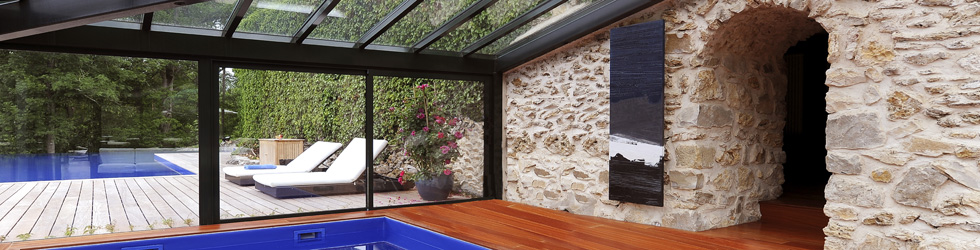
High output radiators
High Output Radiators UK: Surface Area and Thermal Capacity
Some rooms in British housing cannot be heated effectively with a standard radiator. A Victorian terrace front room with solid brick walls, a bay window, and 2.7m ceilings often loses heat faster than a standard panel radiator can replace it. The same applies to open-plan kitchen-diner extensions or converted lofts with a single Velux and uninsulated rafters. These conditions are common across British housing stock and require a different approach to thermal capacity.
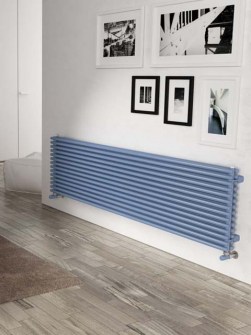
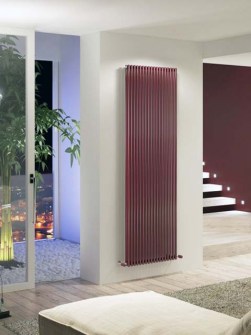
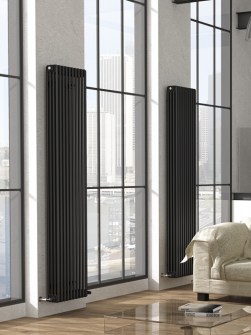
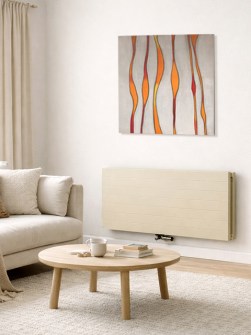
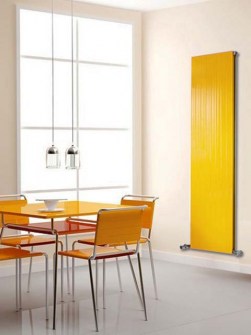
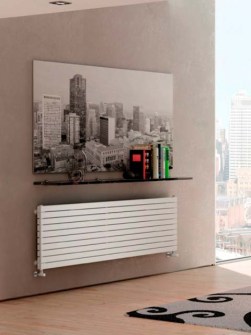
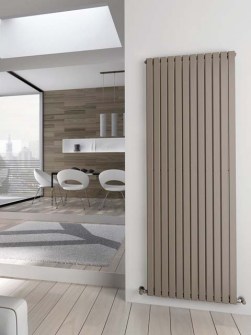
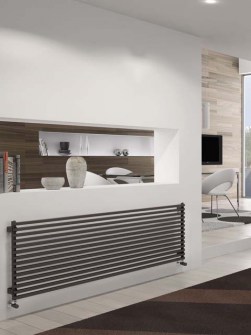
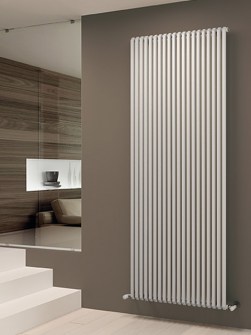
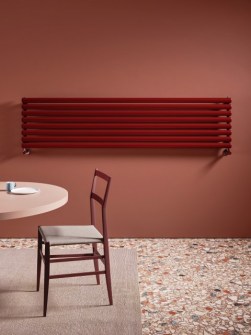
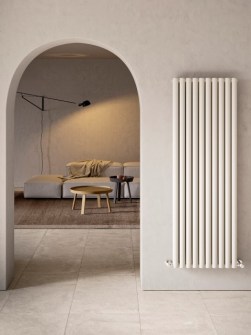
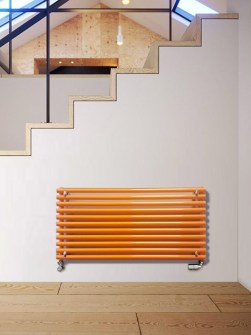
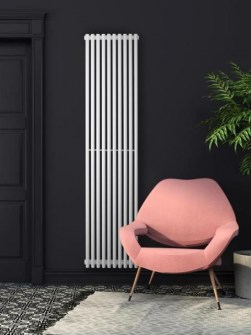
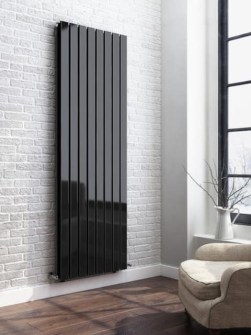
High output radiators solve this through surface area rather than just water temperature. A multi-column or triple-panel unit radiates heat across a significantly larger surface, maintaining room temperature even in high-ceilinged spaces prone to air stratification. For homes moving to heat pumps—which operate efficiently at 45–50°C rather than the 70–80°C of a conventional boiler—increased surface area is typically required for the system to work properly at lower flow temperatures. Every unit is built to order to suit your existing pipework and wall space, providing the required BTU output from a single high-capacity unit. Over 200 RAL colours are included as standard. In high heat-loss rooms, capacity determines performance. When the surface area matches the heat loss, the room maintains temperature.
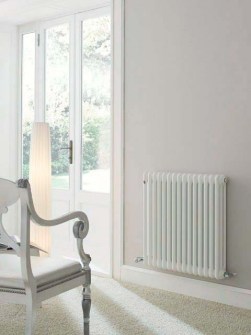
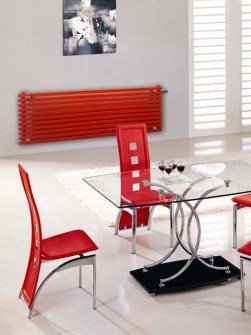
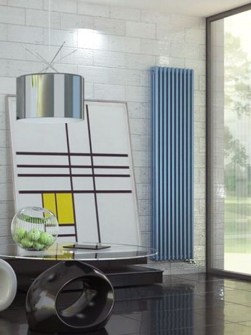

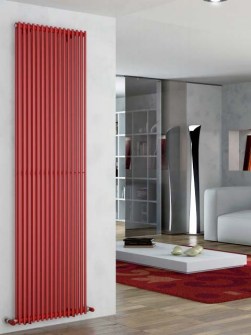
What actually makes a radiator "high output"?
Output is a product of surface area and water temperature. A standard single-panel radiator has limited surface exposure and relies on high flow temperatures to compensate. A multi-column or triple-panel unit presents significantly more metal to the air, transferring more heat at the same—or lower—water temperature. The BTU figures quoted on product pages are tested at Delta T50, representing a mean water temperature of 70°C. In a heat pump system running at 45°C, actual output will be considerably lower than the quoted figure. A high output radiator provides the margin needed to compensate for this difference.
My Victorian terrace front room is always cold. Will a high output radiator fix it?
In many cases, yes, provided it is correctly sized. A Victorian front room typically combines solid brick walls, a bay window, and ceiling heights above 2.5m. Each factor increases heat loss independently; combined, they create a room that a standard radiator may struggle to heat without running the boiler continuously. A correctly specified high output column radiator—sized for the actual heat loss rather than floor area alone—can maintain a stable temperature without demanding excessive boiler run time.
I am having a heat pump installed. Do I need to replace my radiators?
In most retrofit cases, yes—at least some of them. Heat pumps operate efficiently at flow temperatures of 40–50°C, compared to 70–80°C for a conventional boiler. At these lower temperatures, a standard radiator delivers significantly less than its rated BTU output. Rooms that were adequately heated before may struggle to maintain temperature. The solution is not to run the heat pump hotter—which reduces its efficiency—but to increase radiator surface area so the required output is achieved at the lower temperature. In most UK retrofit projects, increasing radiator surface area is the standard solution.
My open-plan kitchen extension is difficult to heat. What do I need?
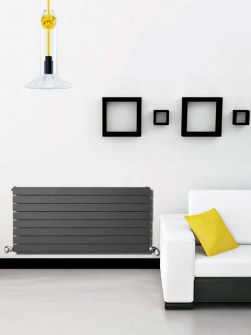
Open-plan extensions present two problems: a large volume of air requiring significant output, and typically poor insulation in the roof compared to the main house. A standard radiator relocated from elsewhere is rarely sufficient. The calculation must account for the full volume, the number of external walls, and the glazing area—large bi-fold or sliding doors represent substantial heat loss. Often, a high output horizontal radiator positioned under the glazing combined with a vertical unit on a return wall provides the most effective coverage.
Are high output radiators more expensive to run?
Not if they are correctly sized. Running costs reflect the heat demand of the room, not the radiator format. A high output radiator in a room with significant heat loss reaches the required temperature faster, allowing the boiler to cut out sooner than a standard unit struggling to keep up. The common mistake is over-specifying: a high output radiator in a well-insulated modern room may overheat the space and waste energy. The output should match the heat loss—no more, no less.
How do I work out what BTU output I actually need?
Start with room volume—length, width, and ceiling height—rather than floor area. Then adjust for heat loss factors: solid versus cavity walls, glazing types, the number of external walls, and whether the floor above is insulated. As a guide, a Victorian front room of 20m² with 2.7m ceilings and a bay window will typically require in the region of 6,000–9,000 BTU depending on wall construction. A modern well-insulated room of the same floor area may need fewer than 3,000 BTU. This difference is why floor area alone is not a sufficient basis for the calculation.
Can one high output radiator replace two standard ones?
Often, yes. A single high output column radiator with the appropriate BTU rating eliminates a second set of pipe connections and valves, reducing visual clutter and simplifying the installation. The trade-off is physical depth: a unit with sufficient output for a large room will be deeper than the standard units it replaces. Whether that is acceptable depends on the available wall space and the room layout. This allows you to regain wall space without sacrificing thermal capacity.
Will a high output radiator work with smart heating controls?
Yes, and the combination works particularly well. Because high output radiators reach the required room temperature faster, smart thermostats and TRVs that respond to actual temperature—rather than a fixed timer—can reduce boiler run time. The radiator heats quickly and the thermostat cuts before it overshoots. In a large Victorian room that previously took an hour to warm, a correctly sized high output radiator combined with a responsive thermostat can reduce that substantially.