
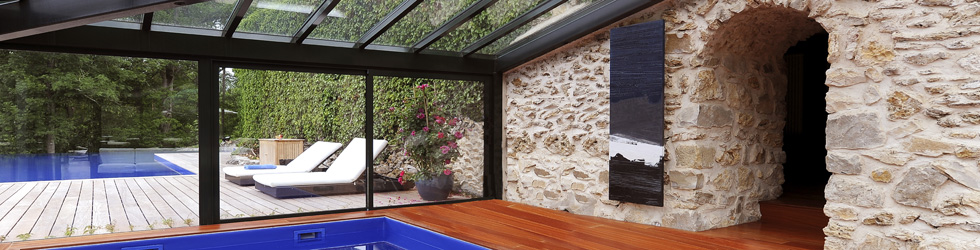
Vertical radiators
Vertical Radiators UK: Heating for Limited Wall Space
Every vertical radiator here is made to order — choose your exact height, width and colour at no extra cost, built to fit your space.
Vertical radiators have become an increasingly popular solution in UK homes where wall and floor space are limited. For decades, furniture has been arranged around bulky horizontal radiators, often forcing awkward layouts and leaving corners that are difficult to use. It’s a dated way to heat a modern interior.
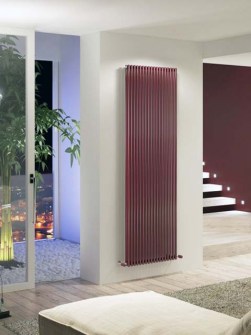
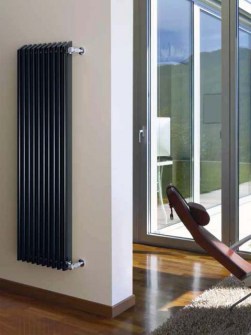
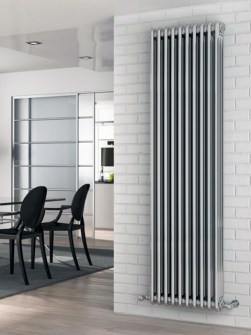
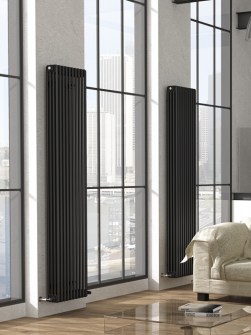
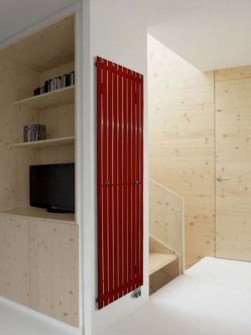
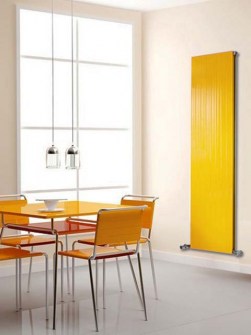
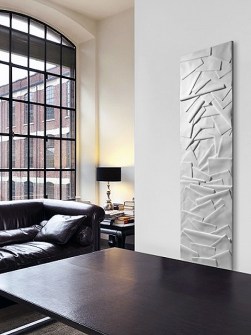
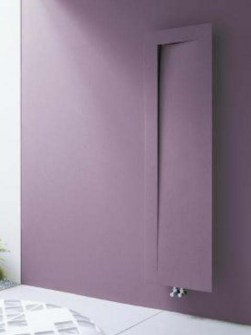
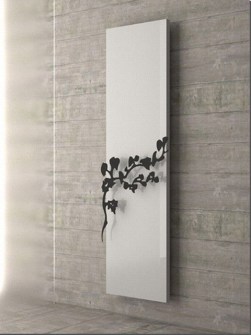
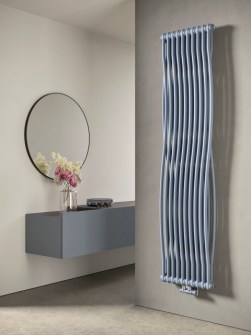
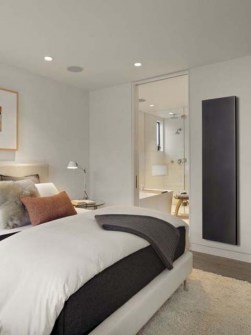
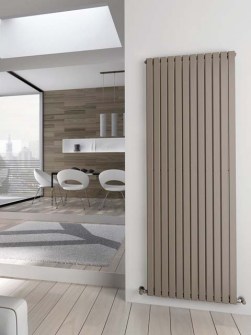
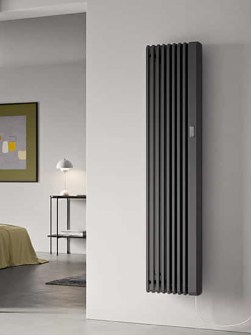
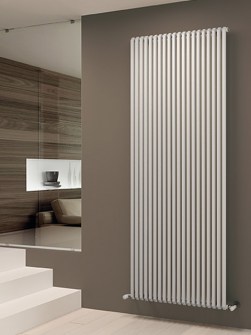
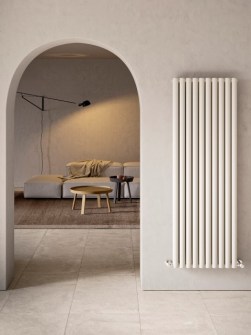
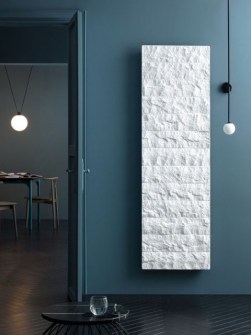
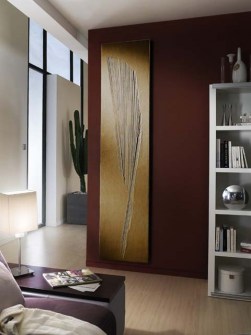
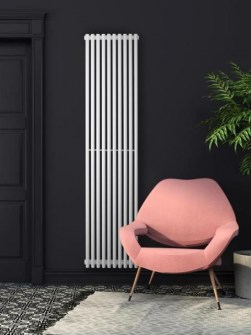
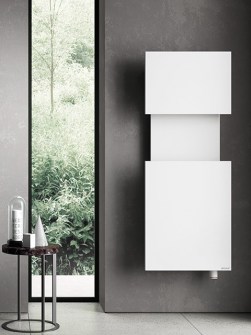
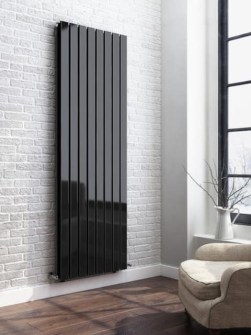
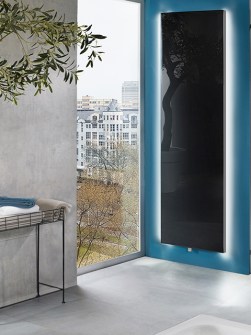
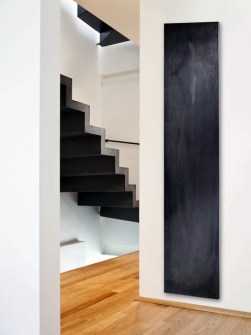
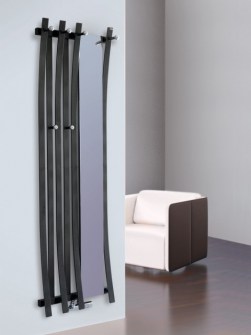
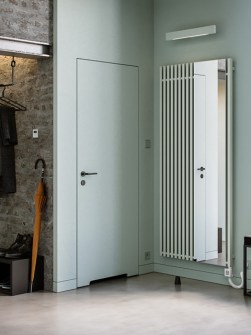
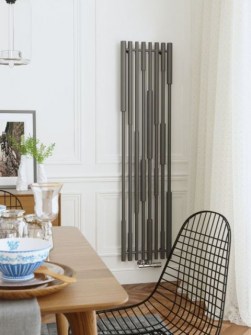
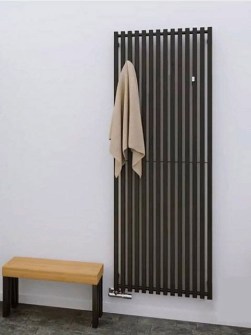
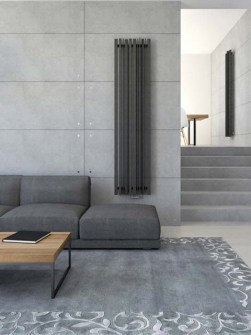
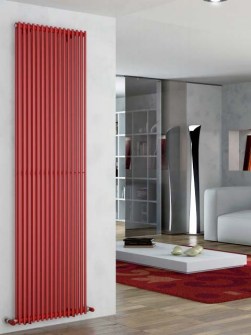
Vertical radiators offer a far more practical alternative. Vertical radiators, sometimes also described as upright radiators or tall radiators, are designed to deliver efficient heat output while using far less wall width than traditional horizontal models. By using the height of the wall rather than its width, they free up valuable space and give you greater flexibility when planning a room. In narrow hallways, compact kitchens and smaller living rooms, vertical radiators UK homeowners choose are often the difference between compromise and a layout that truly works.
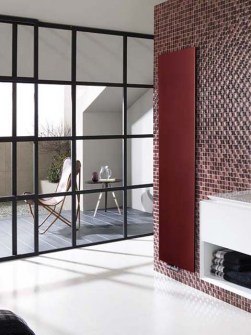
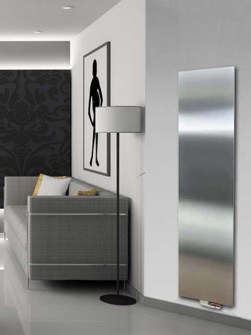
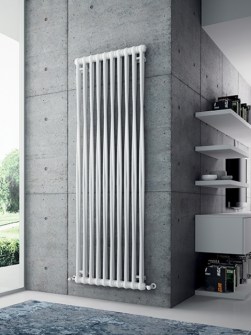
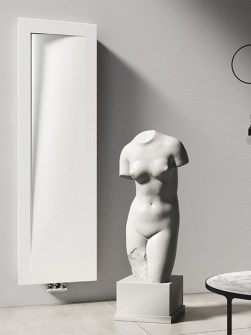
This isn’t about choosing style over performance. When correctly sized, vertical radiators deliver the same reliable heat output as traditional models. Tall radiators, slim vertical radiators and classic column vertical radiators all provide efficient warmth while fitting naturally within the proportions of modern interiors.
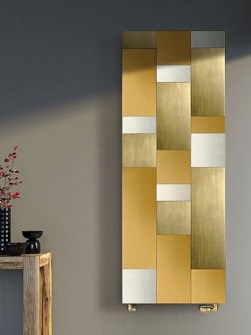
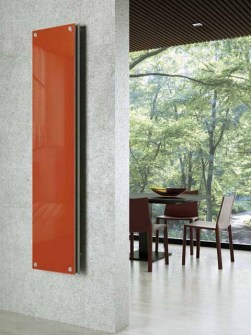
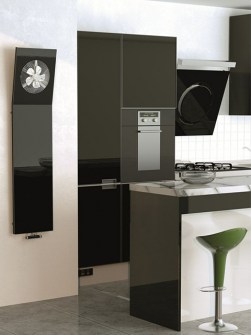
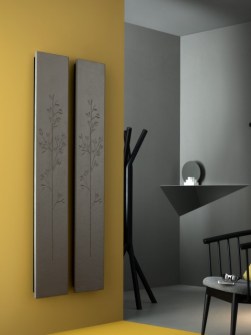
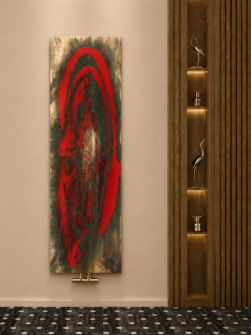
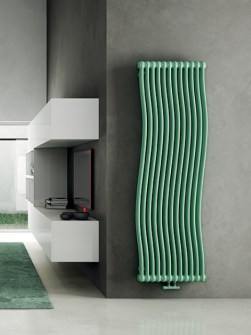
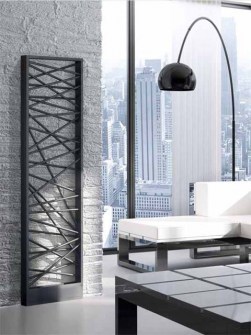
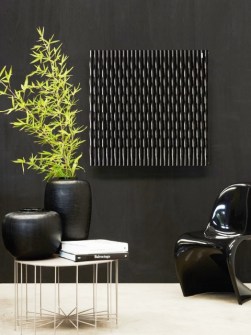
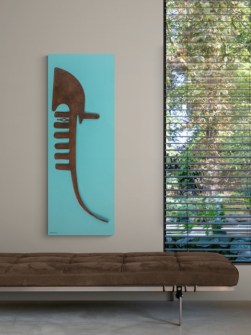
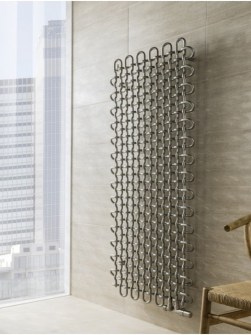
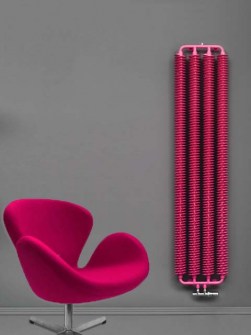
Alongside familiar styles, our collection also includes distinctive designer vertical radiators that are not widely available elsewhere in the UK, offering unique options for homeowners and interior designers looking for something beyond the standard catalogue choices.
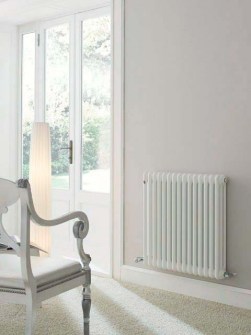
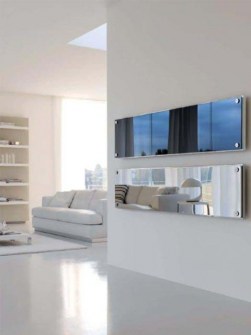
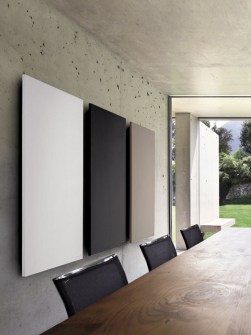
Please note: while some images may display horizontal models, vertical configurations can be selected using the size options when placing your order.









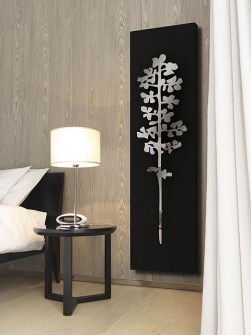

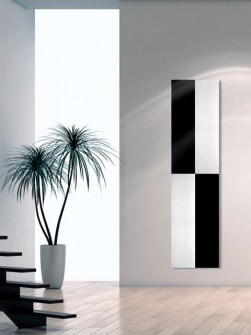
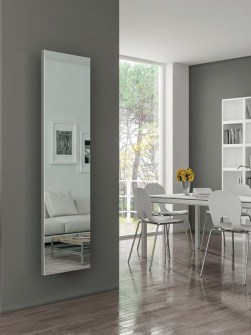
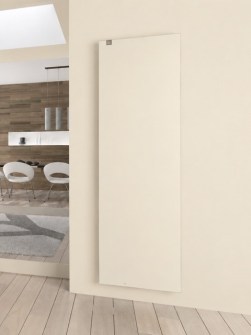
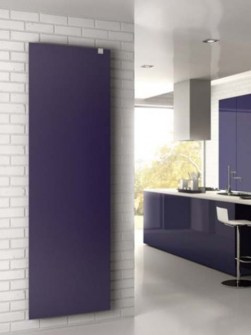



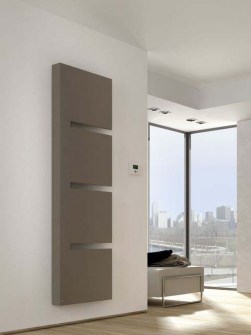

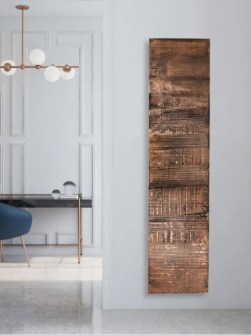


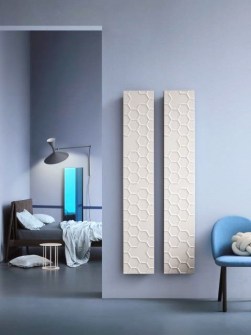



Do vertical radiators actually heat a room properly?
Yes – when they’re sized properly, they heat a room perfectly well. A vertical radiator gives out the same kind of warmth as a horizontal one. Because it’s narrower, it’s usually taller or designed to deliver a higher heat output to make up the difference.
Are vertical radiators less efficient than horizontal ones?
No, the shape doesn’t make them less efficient. What really matters is the heat output and how well it matches the room. A correctly sized vertical radiator on a modern central heating system performs just as efficiently as a traditional horizontal model.
Why are vertical radiators so popular in UK homes?
Space is the main reason. Many UK homes don’t have long, empty wall sections because of doors, windows and furniture. Vertical radiators work well in narrow gaps where a standard radiator simply wouldn’t fit, without sacrificing warmth.
How do I know what size vertical radiator I need?
It comes down to working out how much heat the room needs. This is based on the size of the room, ceiling height, insulation, and how many windows there are. Once you know the required BTU figure, you just choose a vertical radiator that meets or slightly exceeds that number.
Do vertical radiators take longer to heat up?
In most cases, no. How quickly a radiator warms up depends more on what it’s made from than whether it’s vertical or horizontal. Aluminium models heat up very fast, while steel radiators take a bit longer but stay warm for longer once they’re hot.
Can I replace a horizontal radiator with a vertical one?
Yes, but some pipework changes are usually needed. Vertical radiators have different connection points, so the pipes often need moving. A qualified plumber can handle this easily, and it’s a very common upgrade in UK homes.
Are vertical radiators suitable for small rooms?
Definitely. They’re a great option for small rooms, bathrooms and hallways where wall space is tight. Choosing a slim, tall design allows you to get enough heat without taking up valuable space.
Do vertical radiators work with standard UK central heating systems?
Yes, they do. Vertical radiators are designed to work with standard UK wet central heating systems, including combi and system boilers. Once fitted correctly, they operate just like any other radiator in the house.