
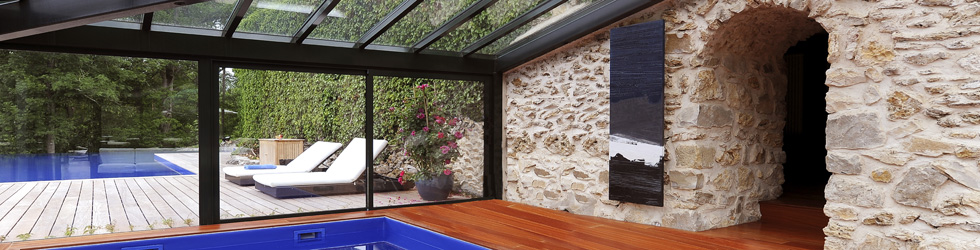
Designer radiators
Designer Radiators UK: Designed for Modern Homes
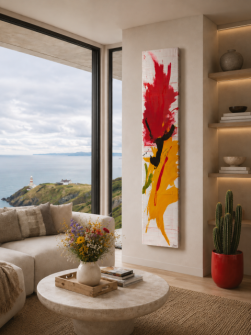
Designer radiators are no longer treated as an afterthought in UK homes. Today, they are selected not only for heat output, but for the way they influence the look and feel of a space. A properly specified designer radiator should deliver reliable warmth while elevating the room around it.
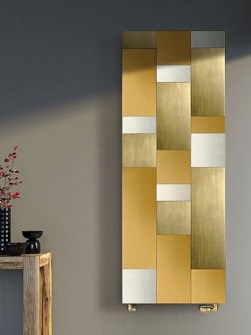
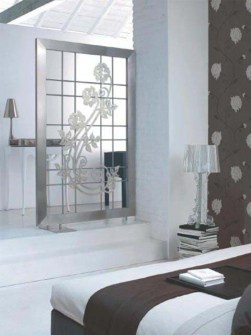
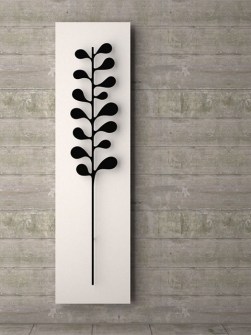
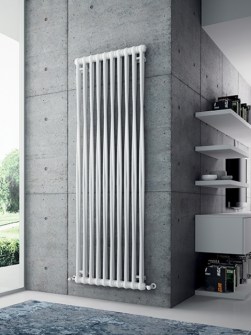
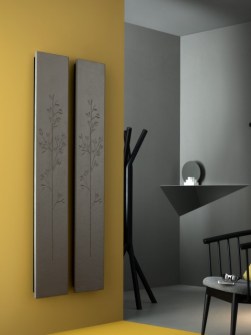
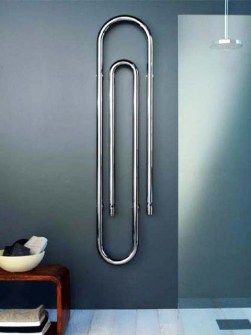
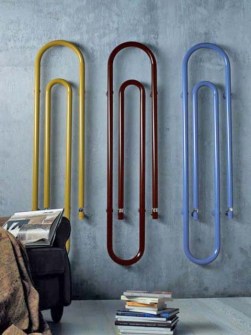
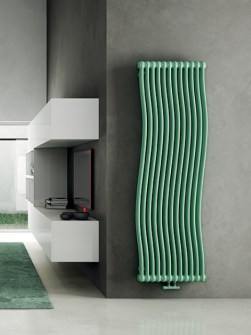
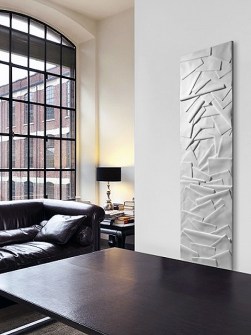
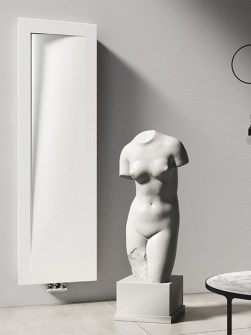
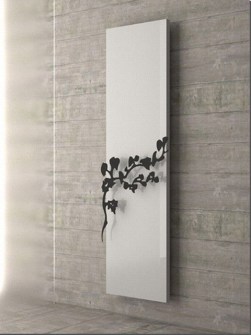
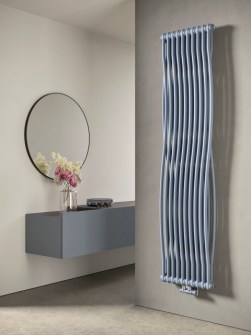
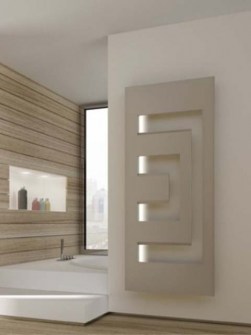
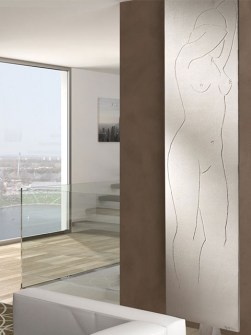
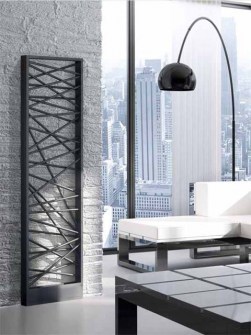
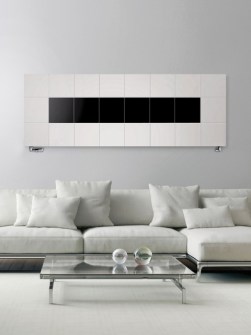
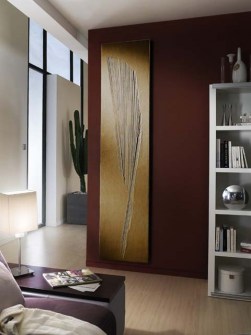
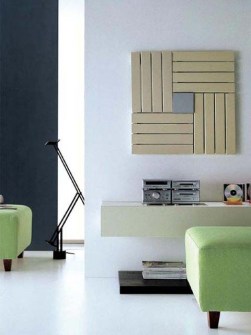
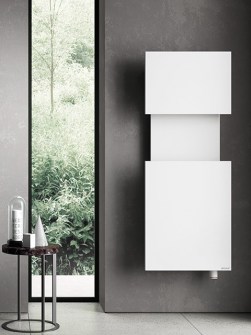
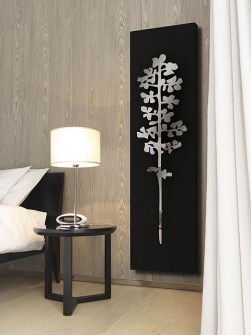
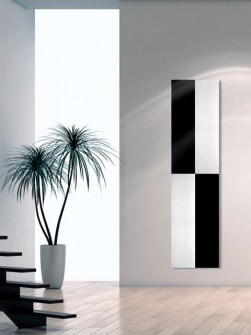
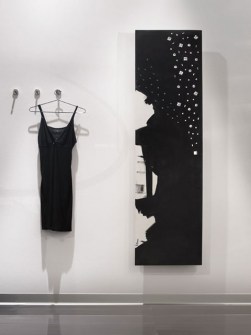
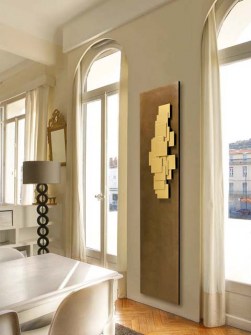
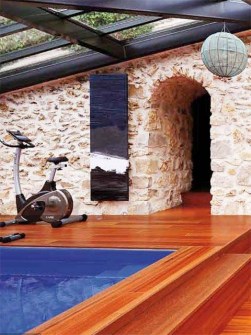
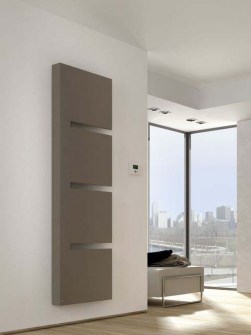
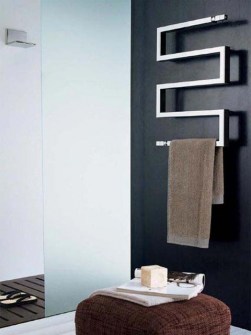
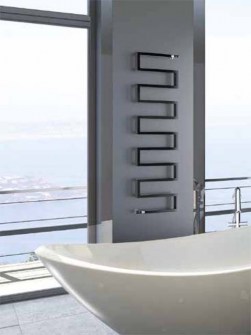
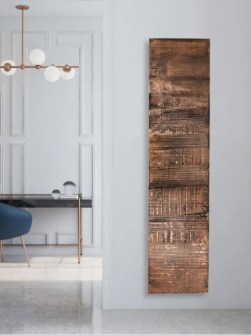
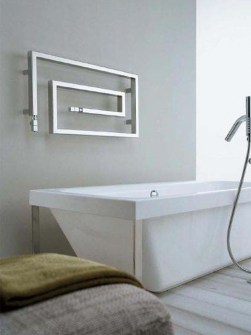
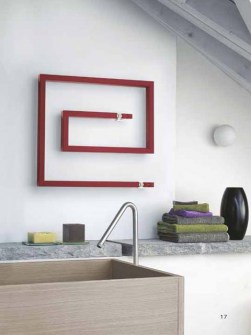
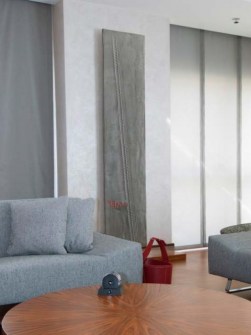
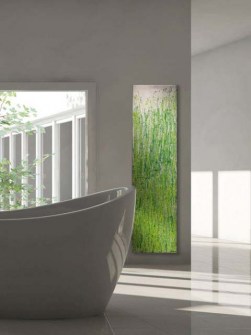
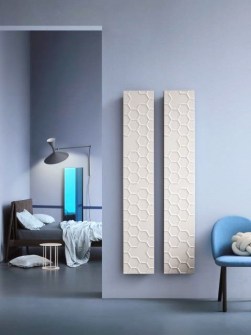
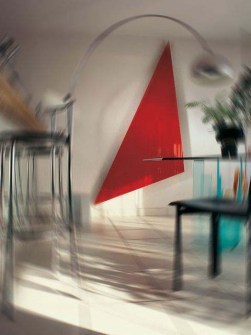
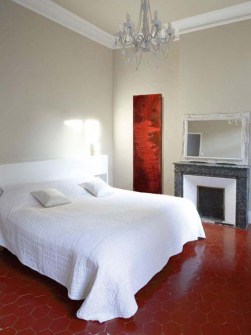
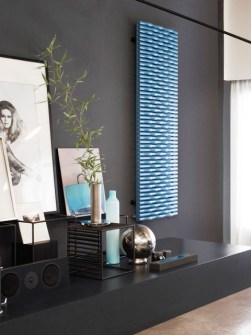
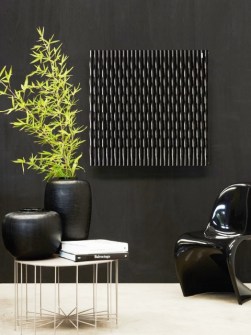
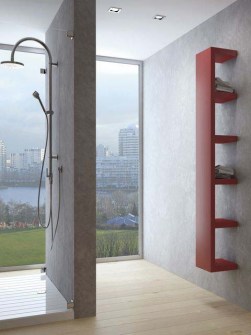
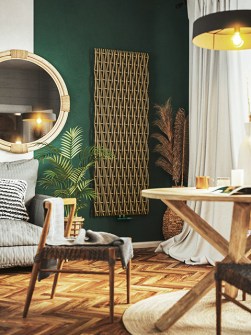
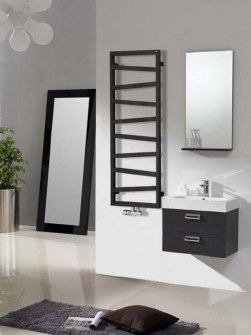
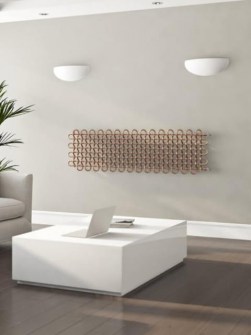
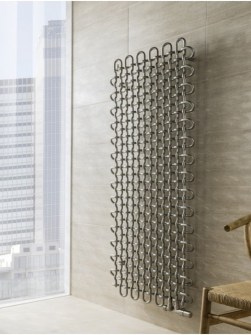
Our collection includes decorative radiators designed to create a focal point, unusual radiators that make bold use of vertical or horizontal space, and carefully crafted statement pieces that move beyond standard heating. For those seeking something more distinctive than conventional panels, even what some would call fancy radiators become a considered design choice rather than an afterthought.
From tall vertical models that draw the eye upwards to sleek horizontal formats that structure a living space, these designer radiators are chosen for both presence and performance. The right model can turn a plain wall into an architectural feature and give balance to a modern interior.
Behind the visual impact, performance remains essential. Each designer radiator is engineered to work efficiently with contemporary heating systems operating at 55–45°C, ensuring consistent comfort throughout the home. The heating operates quietly in the background while the design takes centre stage.
Every unit is made to order and aligned with existing pipe centres to help minimise installation disruption. With over 200 RAL colours included and delivery across mainland UK, these decorative designer radiators provide dependable warmth and confident design in equal measure.
What distinguishes a designer radiator from a decorative unit?
The difference lies in specification. A decorative unit prioritises aesthetics, often at the expense of heat. A professional designer radiator ensures that finish and output are resolved together. Every model in our collection carries a verified BTU rating at ΔT50, ensuring the unit performs as specified rather than just looking the part.
How do I know which BTU output my room requires?
Output depends on the thermal efficiency of your property. For example, a large Victorian front room may require 6,000–9,000 BTU, while a modern, well-insulated room of the same size may require fewer than 3,000 BTU. Use a professional BTU calculator to match the radiator to the measured heat loss of the space before ordering.
Are designer radiators compatible with low-temperature heat pumps?
Yes, provided they are sized correctly for lower flow temperatures (45–50°C). Aluminium is often preferred for heat pump systems due to its rapid thermal response, but steel and cast iron also perform effectively if the surface area is sufficient to meet the thermal demands at a lower ΔT.
Can I fit a new radiator to my existing pipework?
Most standard radiators require you to adjust your plumbing to fit the unit. We reverse this. Because our radiators are built to order, we match the pipe centres and connection positions to your existing infrastructure, eliminating the need for costly floor or wall alterations.
Why is a designer radiator more expensive than a standard panel?
You are investing in material quality, finish durability, and bespoke manufacturing. Standard panels are mass-produced to fixed templates; our units are engineered to order. This includes controlled weld quality and a finish designed to withstand decades of thermal cycling without degrading.
Is the colour included in the price?
Yes. Across our collection, over 200 RAL colours are treated as part of the specification, not a priced add-on. While most UK suppliers charge a premium for anything other than traffic white, we provide your chosen finish as standard.
Does a vertical radiator provide the same heat as a horizontal model?
Heat output is determined by surface area and material, not orientation. A vertical radiator with the same BTU rating as a horizontal model will heat the space identically. This format is a technical necessity for rooms where horizontal wall space is restricted by glazing or furniture.
What is the expected lifespan of a high-quality designer radiator?
A well-specified unit should have a design life of 15 to 20 years. While our five-year guarantee covers the mechanics, the actual failure point of cheaper units is usually the finish or internal corrosion. By using high-grade materials and verified coatings, we ensure the radiator remains structurally and visually intact over time.