
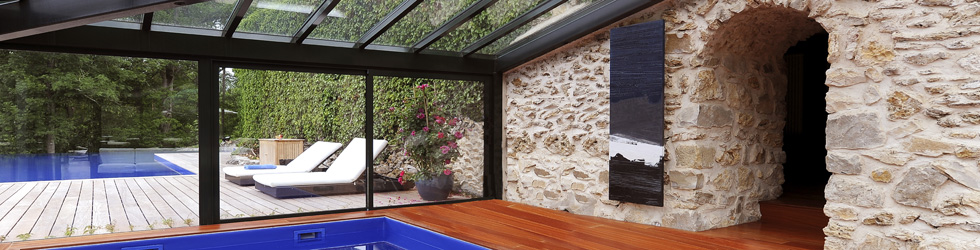
Living Room Radiators
Radiators for Living Rooms
The living room is often the largest room in the house and one of the hardest to heat properly. A radiator that looks good but lacks the required output quickly becomes noticeable during colder months. That is why modern radiators for living rooms need to balance heat output, sizing and appearance equally well.
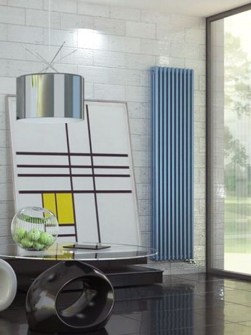
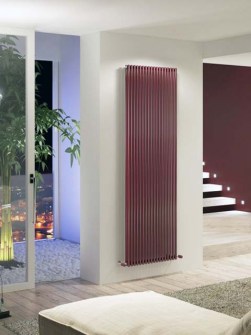
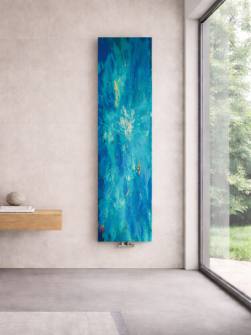
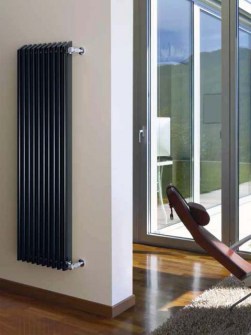
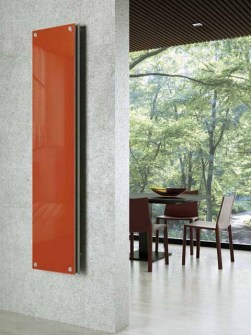
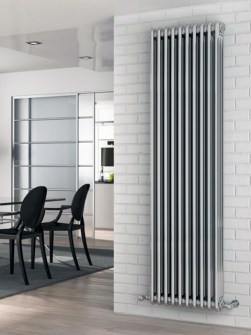
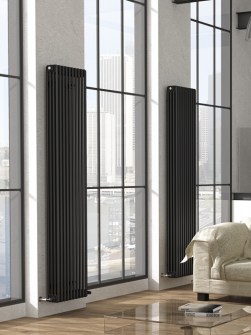
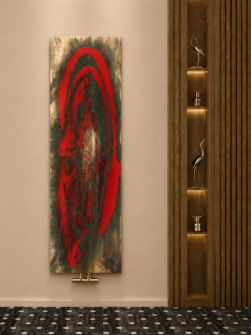
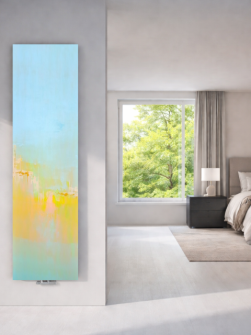
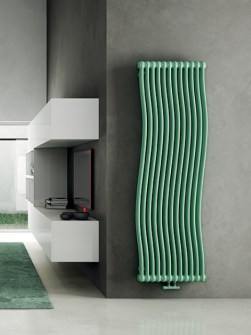
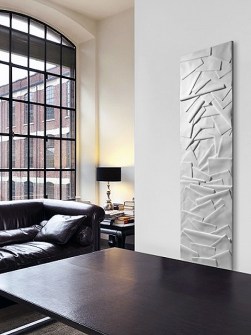
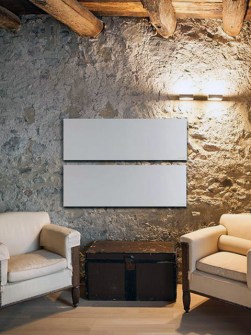
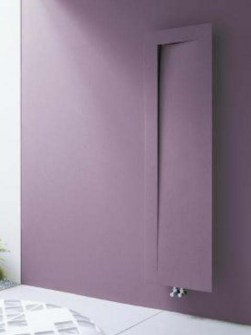
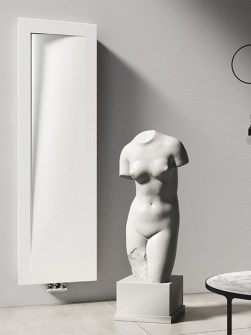
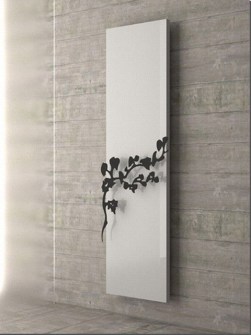
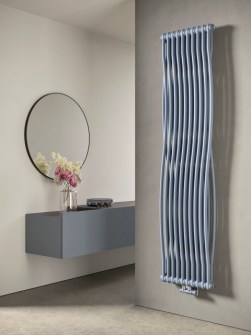
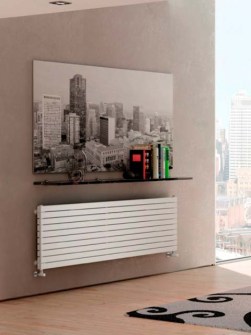
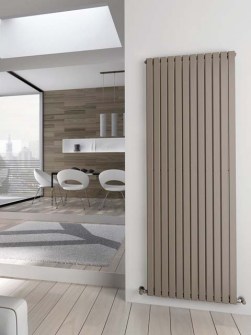
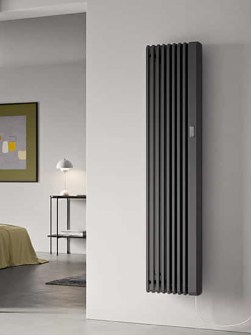
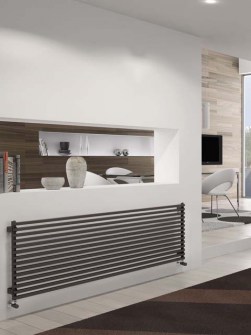
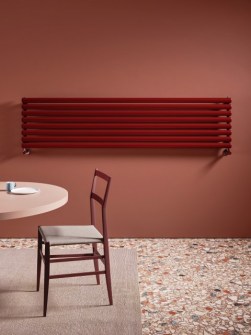
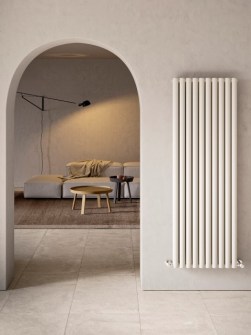
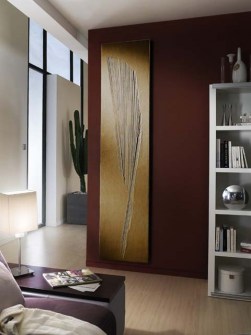
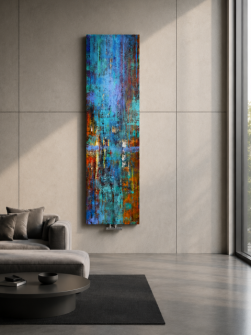
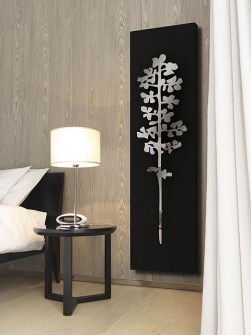
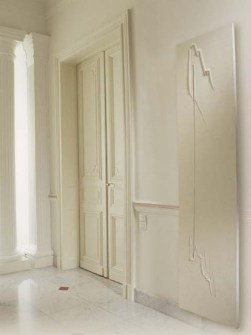
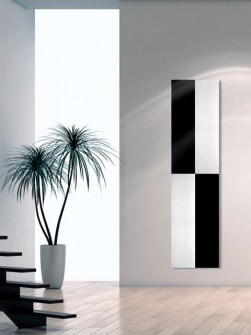
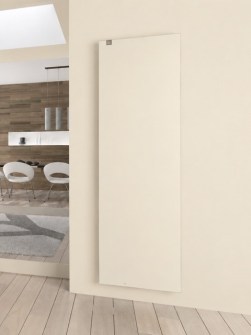
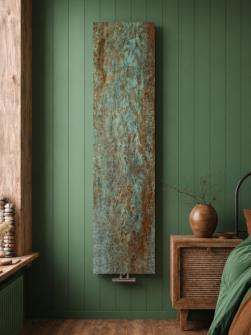
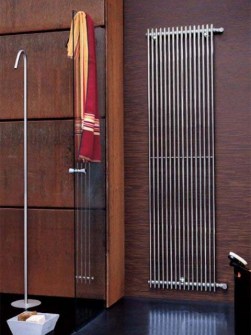
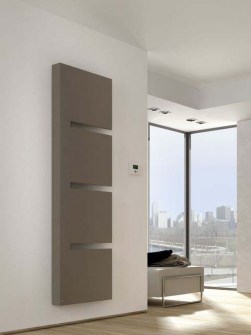
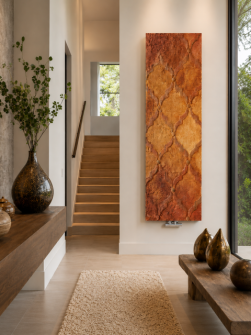
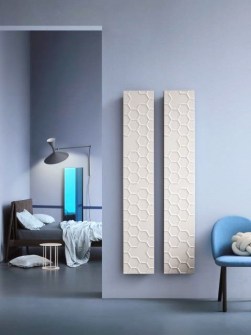
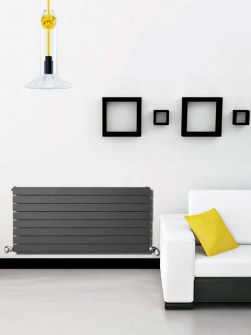
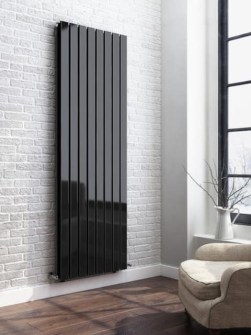
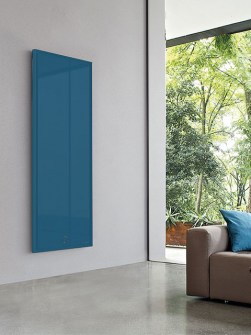
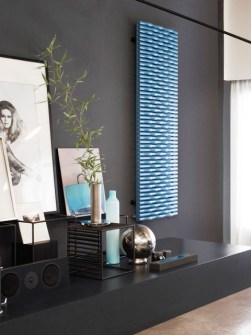
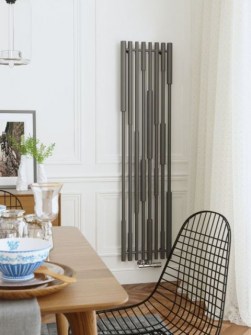
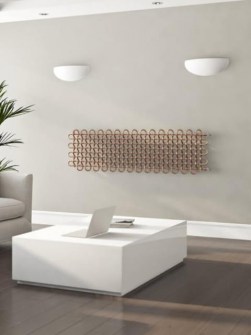
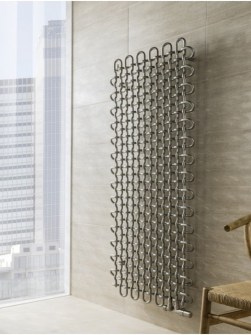
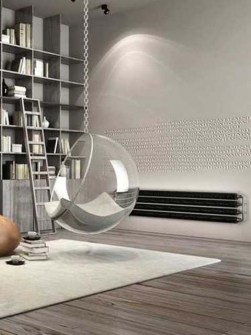
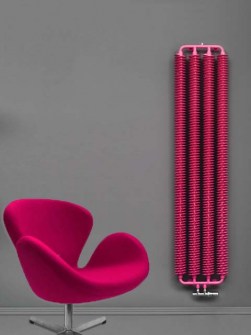
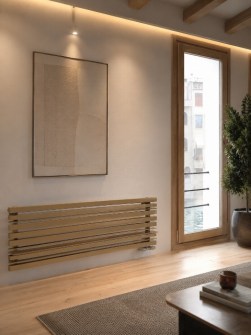
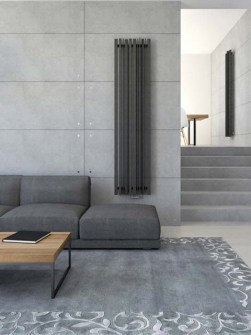
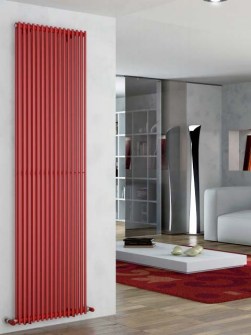
For larger rooms or higher ceilings, high-output living room radiators provide the warmth needed for comfortable everyday living. Vertical designer radiators make better use of limited wall space, while lower horizontal models sit neatly beneath bay windows and larger glazed areas.
Every radiator is manufactured to order in Europe. You choose the size, colour and connection type, and the radiator is produced to match your specification. Many modern radiators and designer radiators within our collection are available in more than 200 colours with a factory-applied finish at no extra cost. Free UK mainland delivery is included, and BTU output is clearly displayed on every product page according to the selected size.
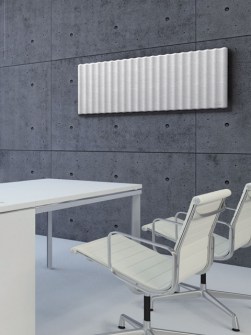
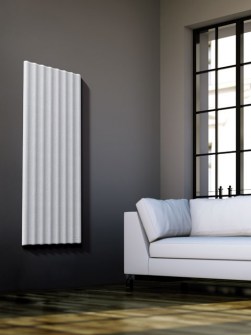
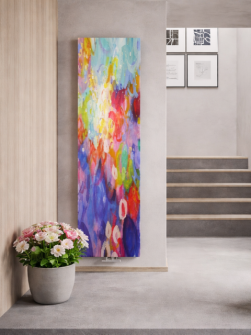


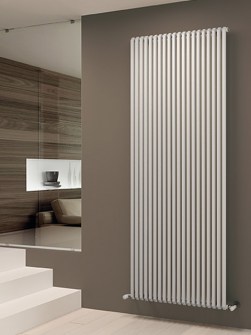

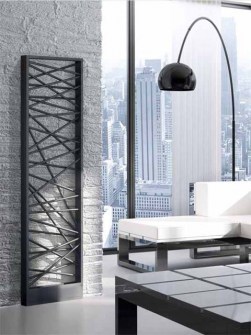
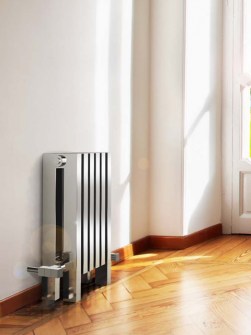
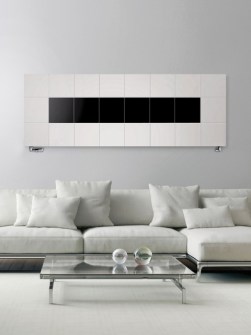











What type of radiator works best in a living room?
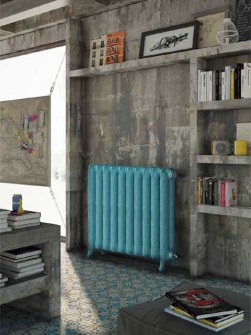
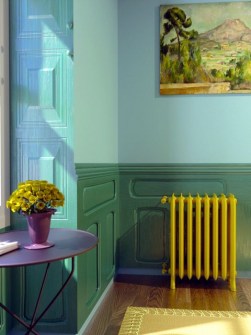
That depends on how the room is used. Larger living rooms often need higher-output radiators to maintain an even temperature throughout the evening, especially in older properties with higher ceilings. Column radiators and larger designer radiators are popular because they combine strong performance with a more substantial appearance.
How do I know what radiator size I need?
A radiator should be selected around the room’s required BTU output, not appearance alone. Ceiling height, glazing and insulation levels all affect heat demand. Every radiator size on our website includes its corresponding BTU output to help with accurate sizing.
Are designer radiators practical for everyday heating?
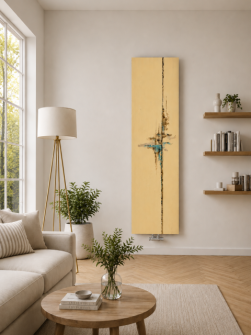
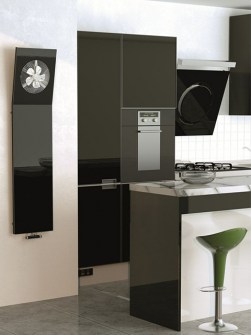
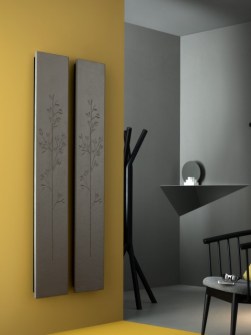
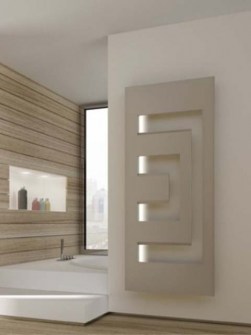
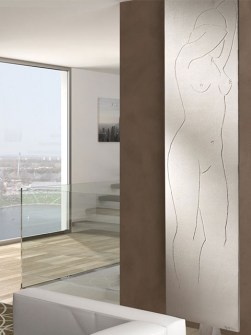
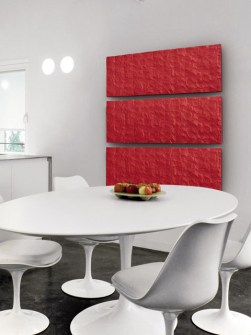
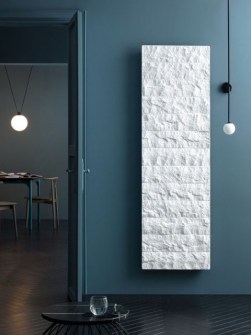
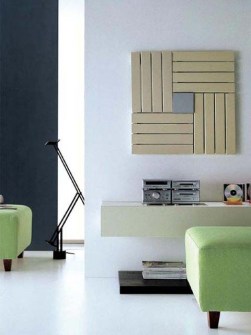
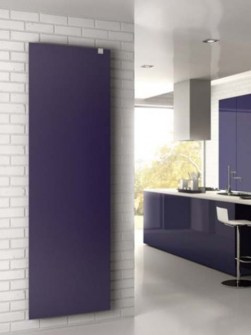
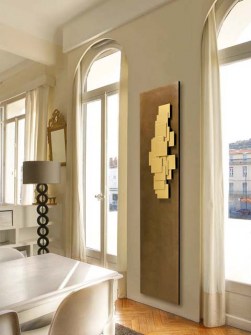
Yes — provided the radiator is correctly sized. A well-made designer radiator should heat the room properly while also fitting naturally into the space visually. Many customers now choose coloured radiators intentionally as part of the room design rather than trying to hide them.
Where should a living room radiator be positioned?
Under windows is still one of the most effective positions, particularly in older homes where colder air gathers around glazing. In modern layouts, vertical radiators are often used on narrower wall sections to free up more usable space.
Are vertical radiators suitable for larger living rooms?
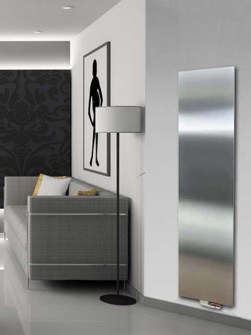
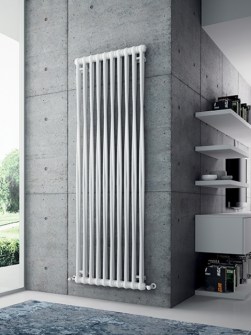
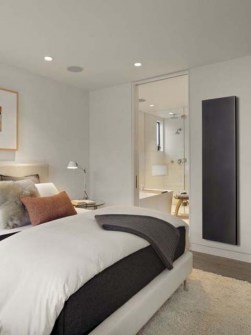
They can be, as long as the output is sufficient. A vertical radiator is often a practical solution where wide sofas, glazing or chimney breasts reduce available wall width.
Do electric radiators make sense in living rooms?
In some situations, yes. They are often used where extending central heating pipework would be disruptive or expensive. Modern electric radiators also allow more independent temperature control within the room.
Can a radiator safely sit beneath a television?
Usually yes, although airflow still matters. Leaving space around both the TV and the radiator helps heat circulate properly and avoids trapping excessive heat in one area.
What is the difference between panel, column and designer radiators?
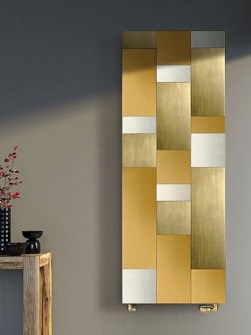
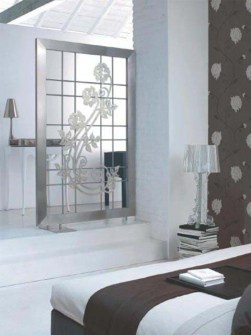
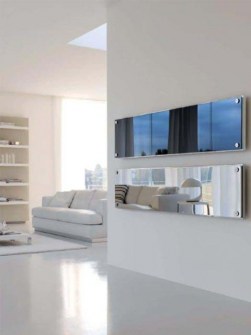
Panel radiators are usually the most understated option. Column radiators tend to suit both traditional and modern interiors while offering strong heat output. Designer radiators place more emphasis on shape, finish and visual impact, especially in rooms where the radiator remains fully visible.