
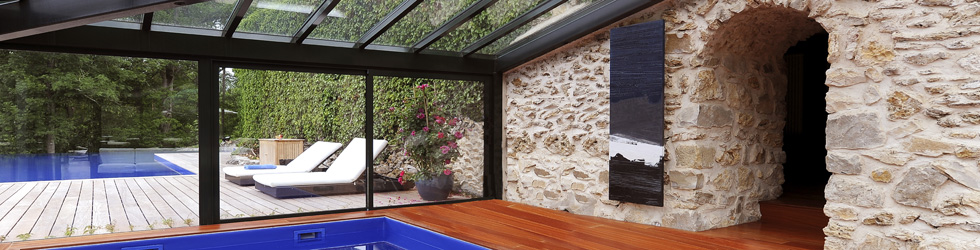
Horizontal radiators
Horizontal Radiators – classic placement with modern design
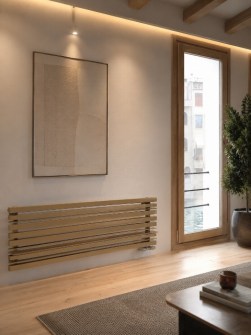
Horizontal radiators remain one of the most widely used heating solutions in homes of many styles. Traditionally positioned beneath windows, they play an important role in maintaining a comfortable indoor climate. In this position the radiator forms a thermal barrier that helps counteract cold downdraughts from glass surfaces, distributing warmth evenly throughout the room.
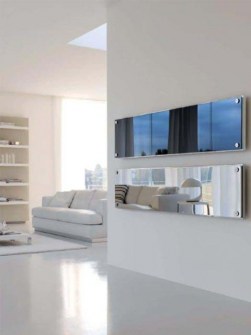
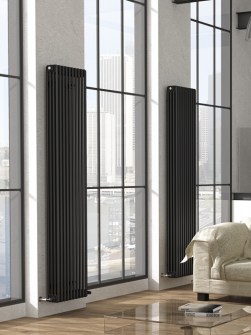
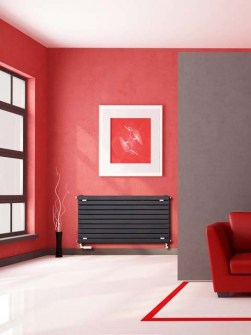
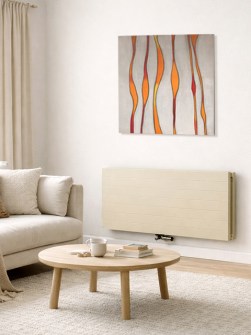
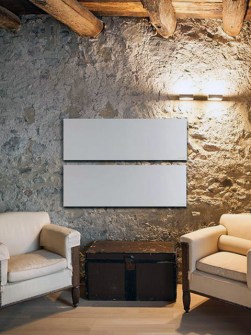
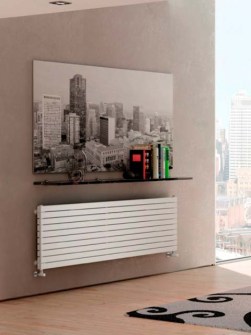
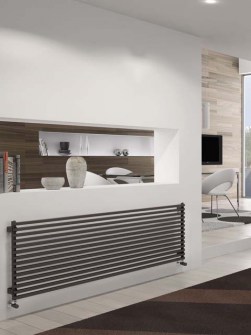
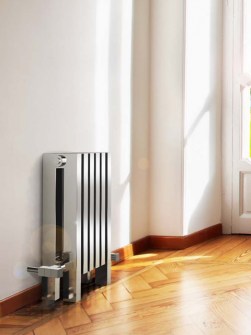
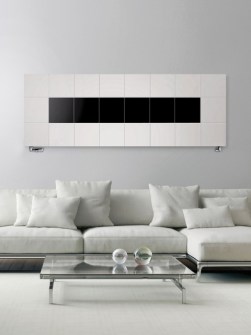
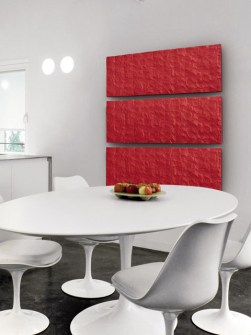
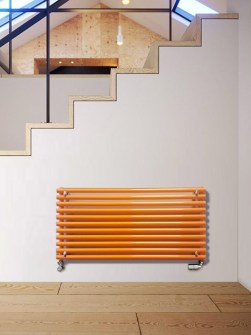
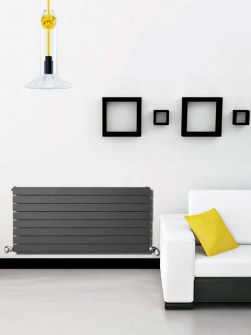
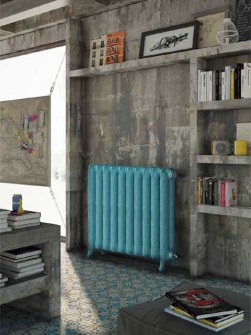
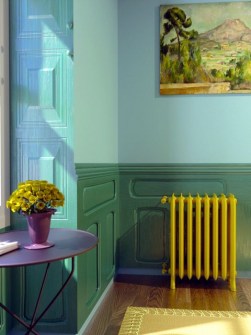
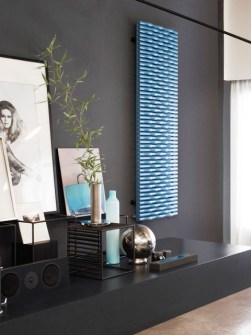
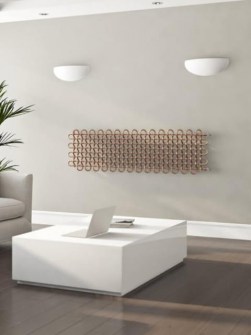
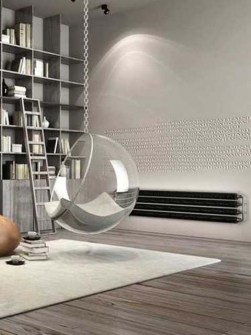
While the placement is traditional, the design possibilities have evolved significantly. Today’s horizontal radiators, including designer horizontal radiators, are available in a wide range of contemporary styles, from minimalist flat-panel designs to distinctive column models with stronger architectural character. This makes it easy to find a radiator that fits naturally within both classic and modern interiors.
A horizontal radiator also offers practical advantages when replacing an existing radiator. In many properties the pipework is already configured for a horizontal layout, allowing a straightforward upgrade without major alterations to walls or floors.
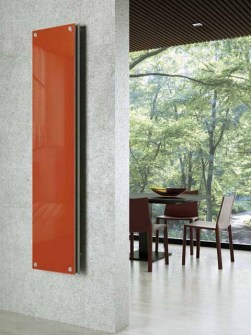
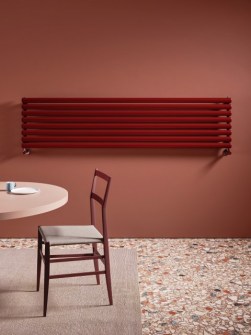
Colour is an important part of radiator design. Our horizontal radiators are available in over 200 RAL colours at no extra cost, allowing you to match the radiator to your interior or create a subtle design accent.
Horizontal radiators remain a practical and reliable heating solution for a wide range of spaces. Their familiar placement beneath windows makes them a dependable choice for consistent heating in everyday living spaces.
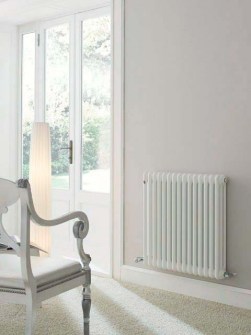
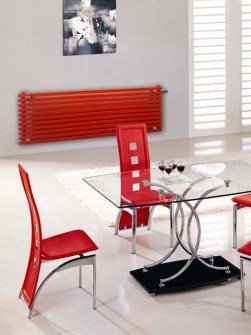
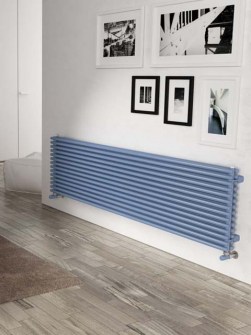

Are horizontal radiators better than vertical ones?
Neither option is better overall — it really depends on the room. Horizontal radiators work best where there’s plenty of wall width, such as under windows, and they tend to spread heat very evenly across the space.
Why are most radiators in the UK horizontal?
Traditionally, radiators in the UK are fitted under windows, where cold air is most likely to enter the room. Horizontal radiators fit this space well and help counter draughts effectively in many homes.
Do horizontal radiators heat rooms faster?
Not necessarily. How quickly a room warms up depends on the radiator’s heat output and the material it’s made from, rather than whether it’s horizontal or vertical. If it’s sized correctly, either format will heat the room efficiently.
How do I choose the right size horizontal radiator?
You need to match the radiator’s BTU output to the room’s heat requirement. This is based on factors like room size, insulation, ceiling height and the number of windows.
Can I easily replace an old radiator with a new horizontal one?
Yes, in most cases. Horizontal radiators often line up well with existing pipework, which makes them one of the easiest types to replace in UK properties.
Are horizontal radiators more efficient than vertical radiators?
No. Efficiency comes down to correct sizing and the overall heating setup, not the radiator’s orientation. Both horizontal and vertical radiators can be equally efficient when chosen properly.
Do horizontal radiators look old fashioned?
Not necessarily. While older panel radiators can look dated, modern horizontal radiators are available in slim, minimalist and designer styles that suit contemporary UK interiors very well. It’s the design that matters, not the horizontal layout.
Can horizontal radiators work with low-temperature heating systems?
Yes, they can — but they usually need to be larger or double-panel models. Low-temperature systems, such as heat pumps, rely on more surface area to deliver the same level of warmth.