
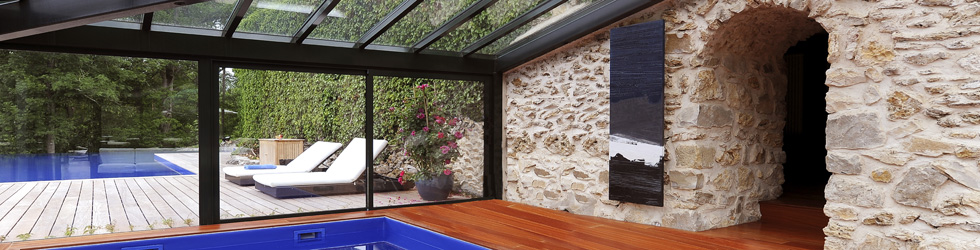
Bedroom radiators
Radiators for Bedrooms
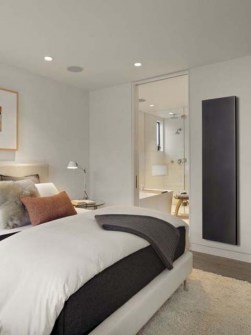
The bedroom is one of the most personal spaces in the home. It should feel calm, comfortable and inviting, not dominated by an old radiator that clicks through the night or looks out of place within the room. A well-chosen bedroom radiator should provide steady warmth quietly while also fitting naturally into the overall atmosphere of the space.
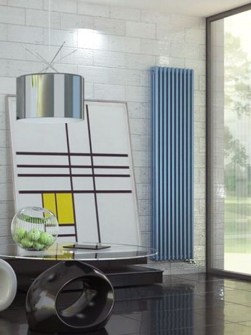
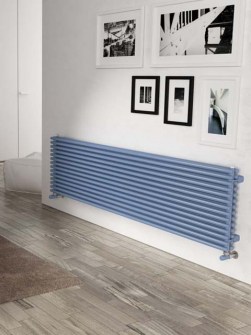
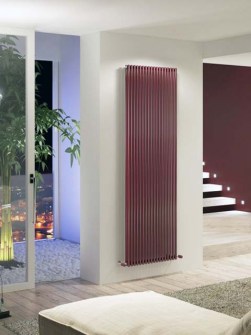
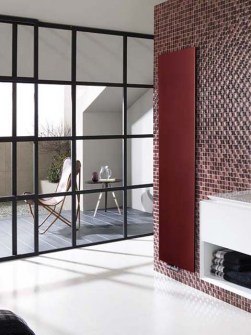
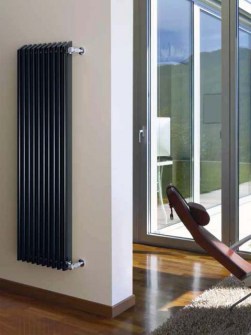
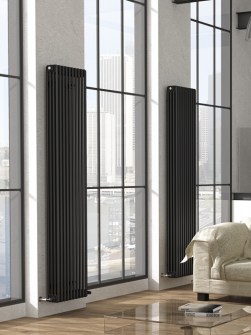
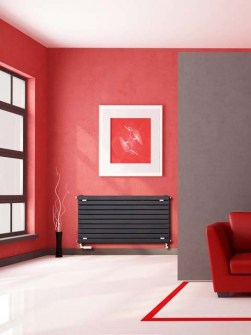
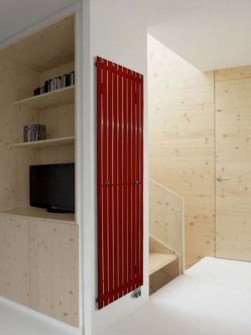
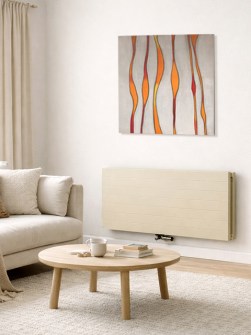
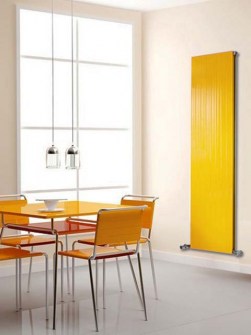
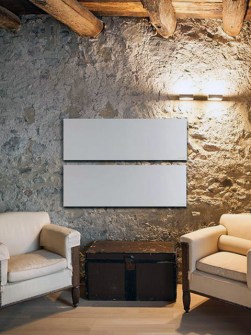
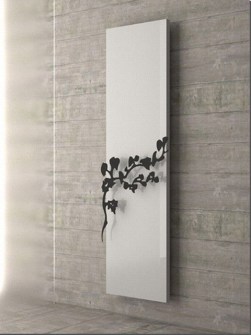
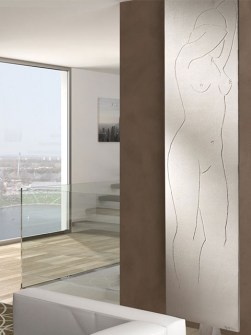
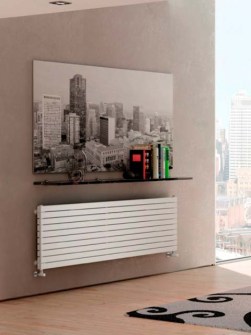
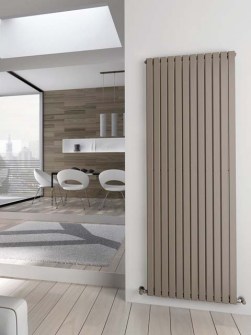
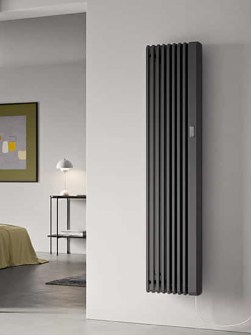
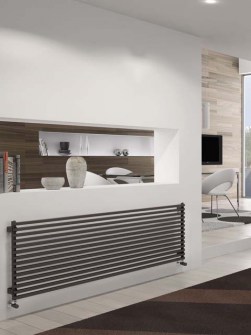
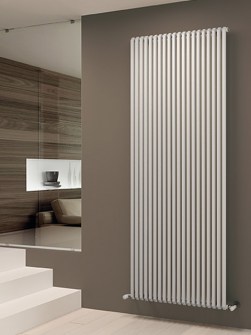
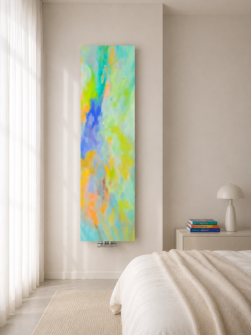
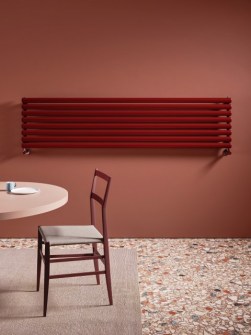
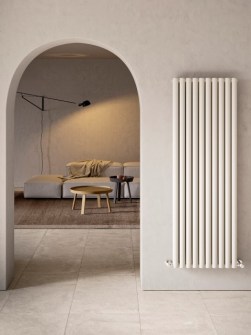
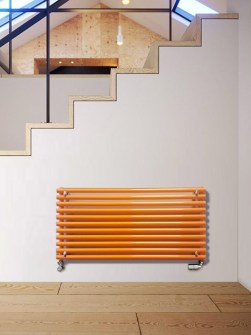
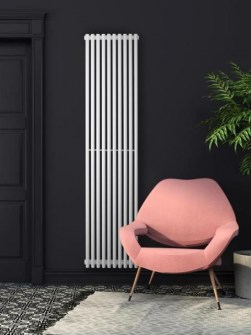
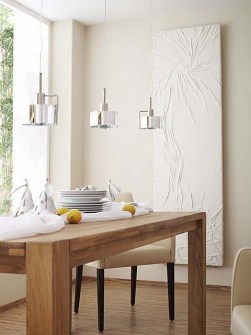
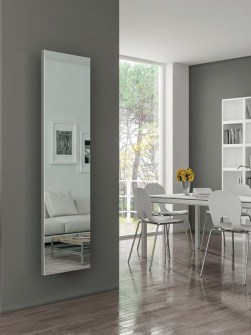
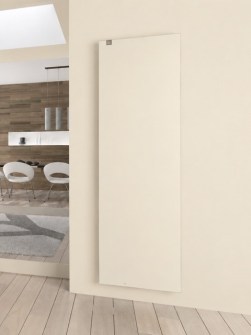
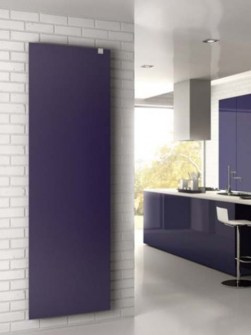
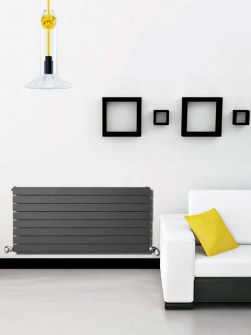
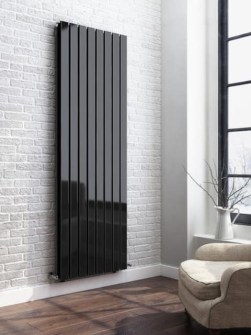
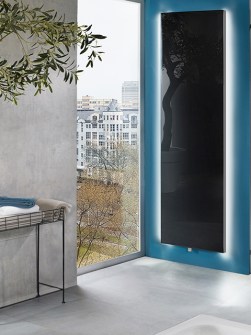
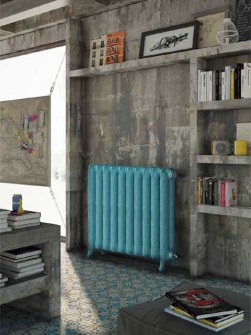
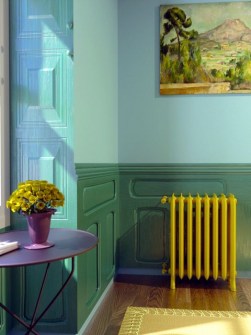
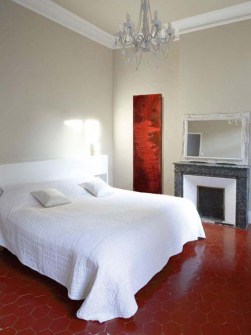
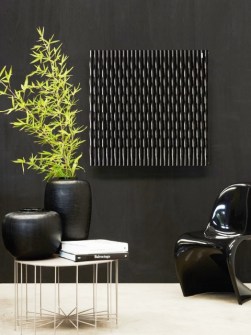
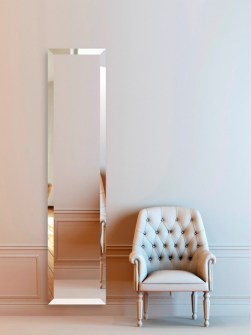
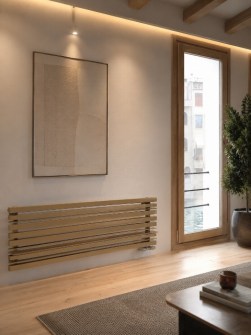
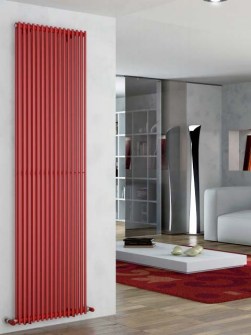
Most bedrooms work best at around 16–18°C for sleeping, so choosing the correct BTU output matters more than simply fitting the largest radiator possible. Vertical bedroom radiators work well where wall space is limited, while lower horizontal models sit neatly beneath windows without overwhelming the room. Many homeowners now choose designer radiators or art radiators for bedrooms as part of a more thoughtful interior design approach.
Every radiator within our collection is manufactured to order in Europe. You can choose the exact size, colour and connection type to suit your room and existing pipework. Many models are available in more than 200 colours at no extra cost, with BTU output clearly displayed according to the selected size. Free UK mainland delivery is included.
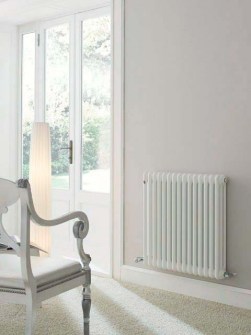
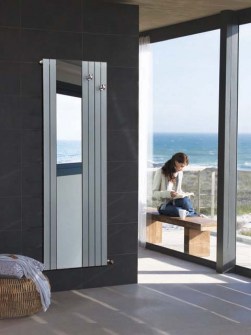
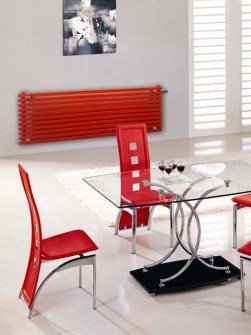


Why do some bedroom radiators make noise at night?
Clicking and ticking noises usually come from metal expanding as the radiator heats up and cools down. It’s common with older or cheaper panel radiators, especially when they constantly switch between hot and cold. A properly sized radiator running at a stable temperature is usually far quieter at night.
What is the ideal bedroom temperature for sleeping?
Most people sleep better in a slightly cooler room rather than an overheated one. Around 16–18°C is generally considered comfortable for sleeping while still keeping the room warm enough during colder nights.
Are vertical radiators practical in smaller bedrooms?
Yes, very much so. Vertical bedroom radiators are often used where wardrobes, beds or awkward layouts leave very little free wall space. They help free up more of the room without sacrificing heat output.
Should a bedroom radiator be placed under a window?
Traditionally, yes. Placing the radiator beneath the window helps balance colder air coming from the glazing area. In modern insulated homes there is usually more flexibility, although it still helps to keep airflow around the radiator reasonably clear.
Do designer radiators actually work well in bedrooms?
Absolutely — as long as the radiator is correctly sized for the room. Many people now choose designer radiators or art radiators because the bedroom is a more personal, intimate part of the home, and the radiator becomes part of the room rather than something hidden away.
Is it better to leave a bedroom radiator on overnight?
Usually it is better to lower the temperature rather than switch the heating off completely. Keeping the room at a steady lower temperature overnight often feels more comfortable than waking up to a cold room in the morning.
Can electric radiators be a good option for bedrooms?
They can work very well, particularly in guest bedrooms, loft conversions or rooms where extending central heating pipework would be disruptive. Modern electric radiators also allow independent temperature control without heating the entire property.
How do I choose the correct bedroom radiator size?
The correct radiator size depends on the room dimensions, insulation, ceiling height and window area. BTU output is clearly displayed on every product page according to the selected radiator size, helping you choose a model suited to the room’s actual heating demand.