
Electric towel rails
Electric Towel Rails UK
Bathroom heating in the UK is often inefficient. Relying on a central heating circuit during summer is a mistake that forces the boiler to fire up for the whole house just to dry a towel. Installing electric towel rails for bathrooms stops this waste, tackling condensation and damp smells without involving the rest of the property. It is a necessary upgrade for any room prone to mould growth or lingering humidity.
Many budget electric heated towel rails rely on dry-wire elements that struggle with heat distribution. This often results in isolated hot spots that can scorch fabric while the rest of the rail remains cold. To avoid this, we use electric towel rail thermal fluid. This acts as a heat reservoir, holding warmth and radiating it steadily long after the power cuts to keep the room stable. It is a reliable way to manage bathroom heating UK humidity and protect your walls from damp-related damage.
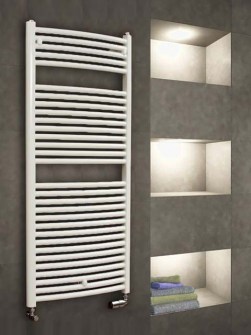
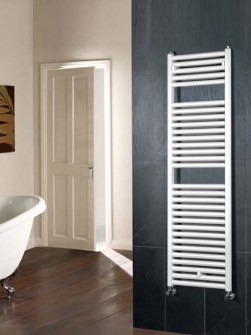
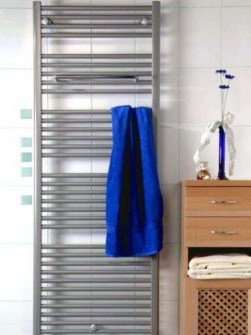
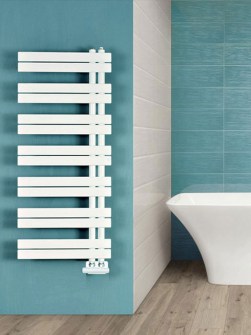
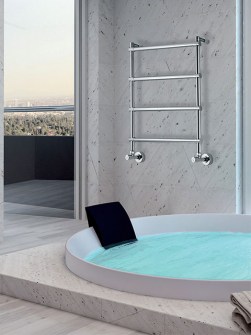
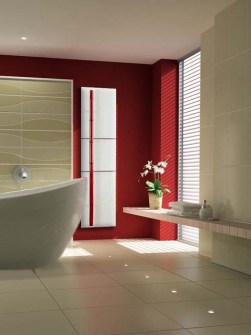
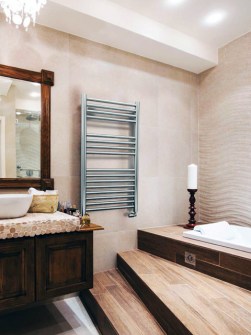
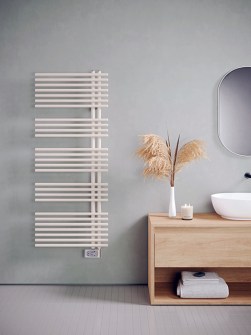
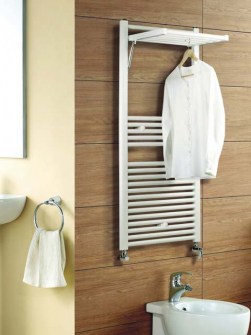
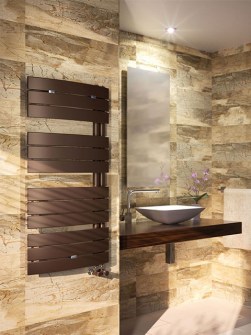
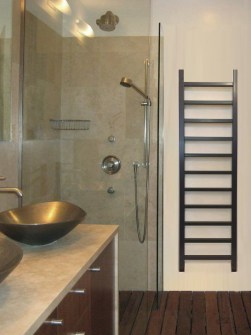
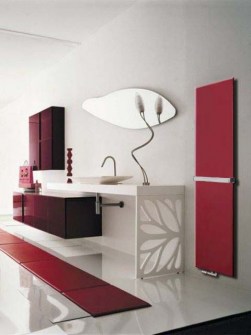
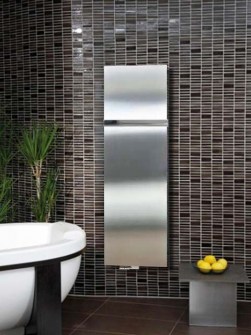
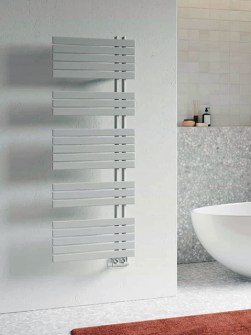
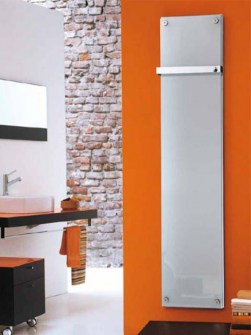
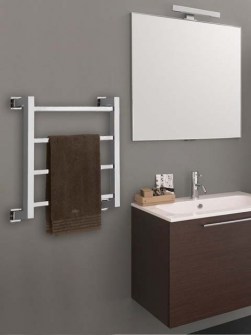
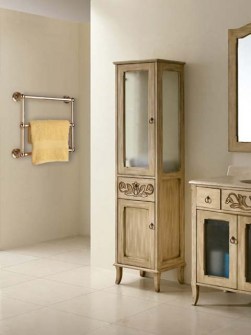
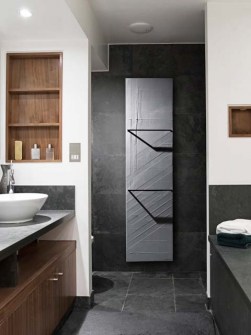
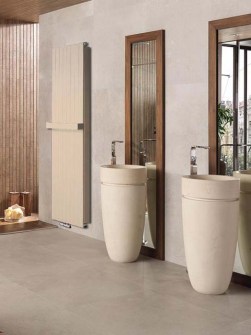
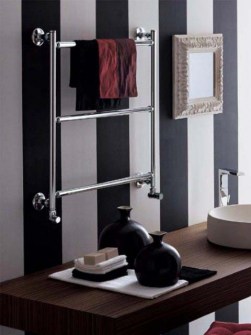
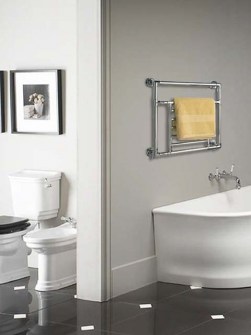
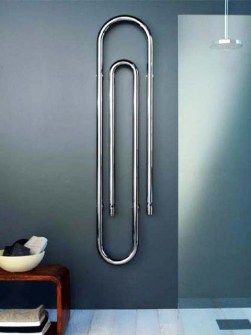
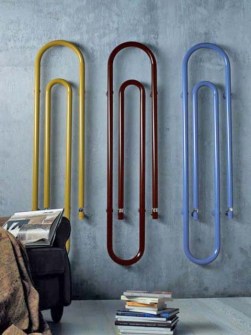
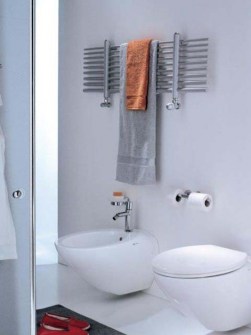
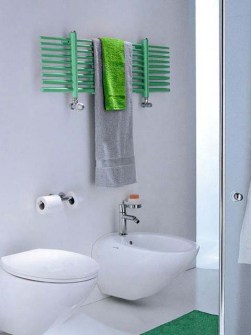
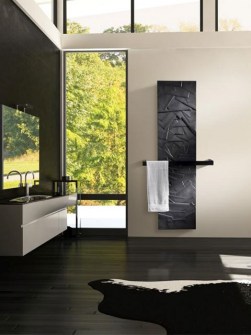
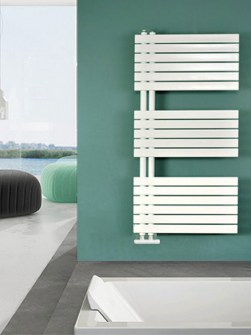
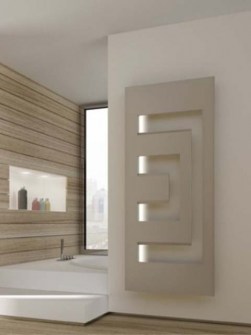
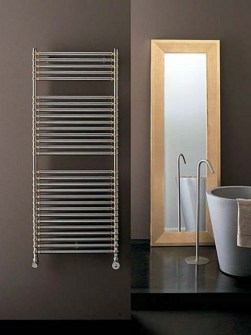
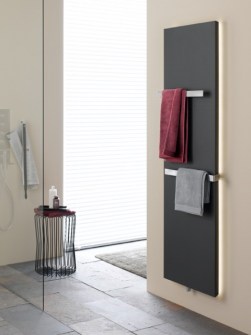
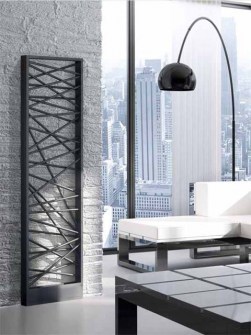
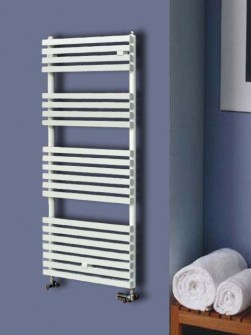
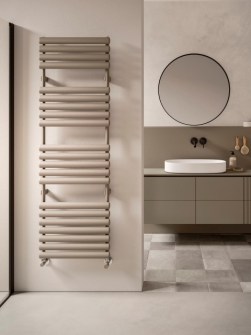
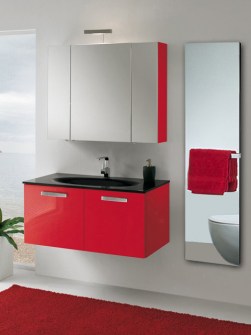
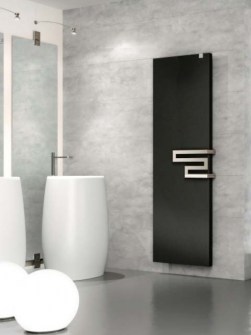
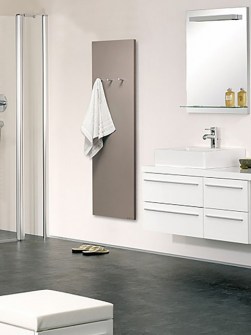
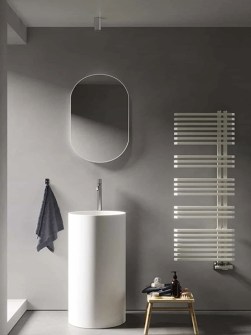
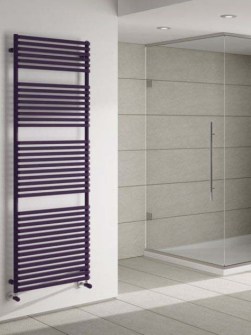
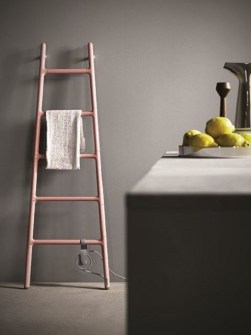
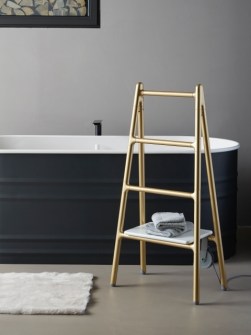
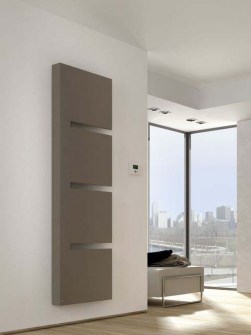
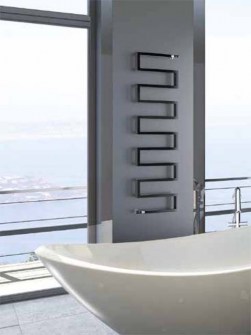
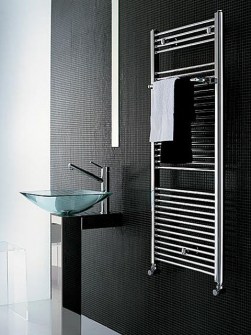
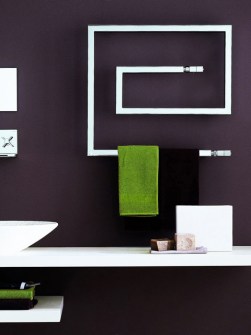
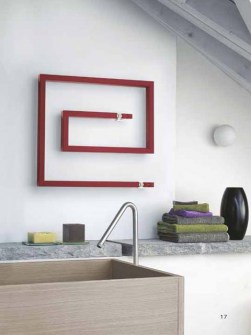
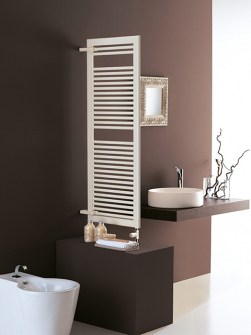
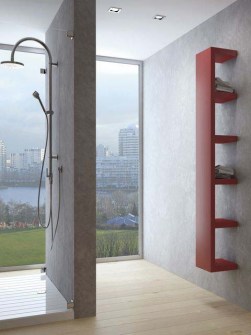
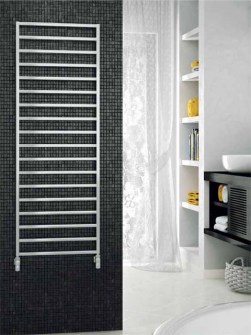
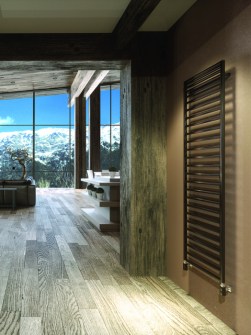
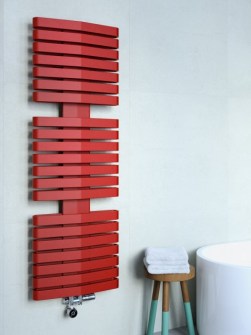
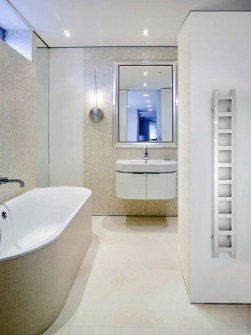
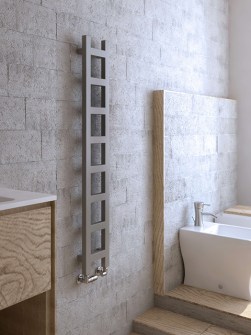
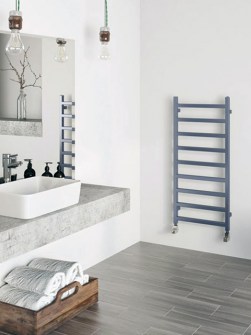
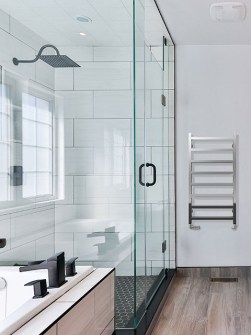
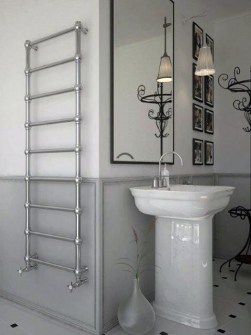
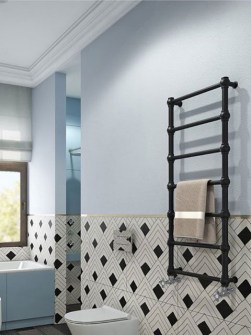
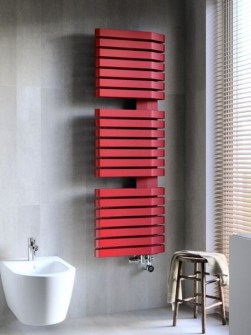
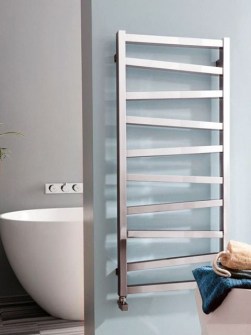
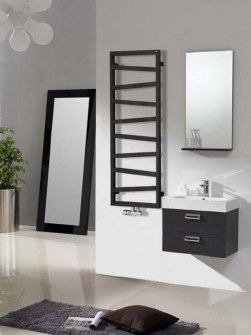
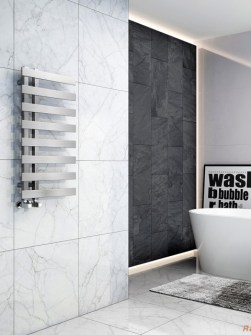
Because our rails are built to order, they resolve the physical constraints of a retrofit. You specify the electric towel rail connection side to align with your existing fused spur, ensuring a clean no plumbing installation without masonry work. Whether you require a designer electric towel rail or a specific finish from our 200 colours, these units are built for the heavy usage of a family home. Built for British housing. Mainland UK delivery included on all orders.
How much do electric towel rails cost to run?
Based on current average UK energy tariffs, a 150W rail costs approximately 4p to 6p per hour to operate. Because these are designed for targeted use—typically two hours in the morning and evening—daily costs remain low. Running any rail 24/7 is an unnecessary expense; once a towel is dry, continuous power serves no thermal purpose and only increases energy bills.
Can an electric rail heat a cold bathroom?
It is a secondary heat source. While the ambient warmth can stabilise a small ensuite, an electric rail is built to tackle humidity and damp towels, not to counter the heat loss of a large room with external walls. If a bathroom is genuinely cold on winter mornings, a dedicated radiator is required; the towel rail is there to stop the damp and prevent condensation.
What is the professional standard for installation?
In the UK, the professional standard is a hardwired connection to a switched fused spur located outside the splash zone. Plug-in versions are rarely suitable for permanent bathroom environments. All work must comply with Part P building regulations and be carried out by a qualified electrician to ensure safety and insurance compliance.
How long should the timer be set for?
Two hours is the benchmark. This is sufficient to dry a high-gsm towel and extract post-shower humidity from the air. Running a rail for longer periods will not improve drying; it only leads to unnecessary wear on the heating element. An integrated timer manages this schedule automatically so the rail is off when the job is done.
Why choose thermal fluid over dry-wire?
Dry-wire rails provide rapid heat but can struggle with even distribution across the full length of the rail. Thermal fluid acts as a reservoir; it holds heat and radiates it steadily long after the power cuts. This consistent thermal mass is more effective at managing the "damp smell" associated with uneven drying and helps maintain a stable room temperature.
How long do these units last?
A high-quality electric rail is a durable addition to the bathroom, but it is not a maintenance-free system. While it avoids the sludge issues of central heating, the internal heating element is a replaceable part that may eventually wear out after years of heavy use. To ensure a decade-long lifespan, we use high-grade steel and specialised thermal fluids to prevent internal corrosion.
Are electric rails better than central heating versions?
It is a matter of seasonal logic. In the "shoulder months" and summer, firing up a central heating boiler just for one bathroom is a waste of gas. Electric independence allows for year-round moisture control and warm towels without heating the rest of the house.
Is there a surcharge for custom RAL colours?
No. Over 200 RAL colours are available at the standard price. Most UK suppliers charge a significant premium for anything other than chrome or white. Providing bespoke colour matching—to tiles, paint, or cabinetry—without a surcharge is a standard part of a built-to-order service.