
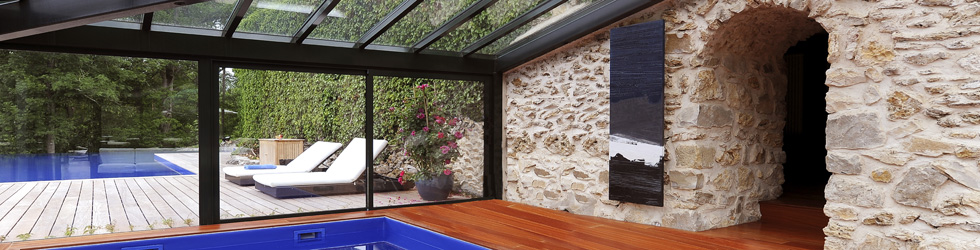
Low-temperature radiators
Low-Temperature Radiators UK: Surface Area and Heat Pump Integration
As the UK transitions toward sustainable energy, low-temperature radiators have become a technical necessity for system efficiency. Designed specifically for environments where water flow temperatures are lower—such as air source or ground source heat pump installations—these units prioritise maximum surface area over extreme heat. This approach ensures stable thermal performance and consistent comfort without relying on the high-grade heat associated with traditional boilers. It is a calculated response to the requirements of low-carbon heating, ensuring that modern radiators perform as high-capacity emitters even in the most demanding thermal conditions.
Performance transparency is critical in low-flow systems, which is why our collection focuses on ΔT 30°C output metrics. This provides a realistic assessment of thermal delivery, allowing for precise sizing that aligns with the latest Future Homes Standards. By utilising triple-panel configurations and high-density multi-column designs, these units achieve the necessary output within a manageable footprint, making them ideal for both new builds and retrofits. Available in over 200 RAL Classic colours at no additional cost, these radiators handle the daily rigours of a busy home with absolute precision. It is a dependable, future-proof choice that ensures your heating remains a permanent, efficient component of your interior’s architecture.
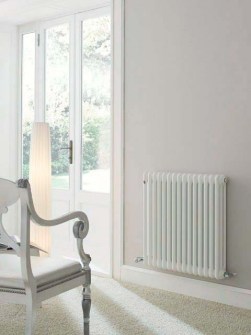

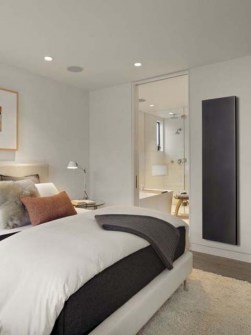
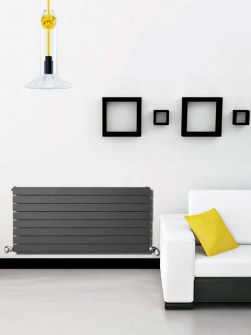
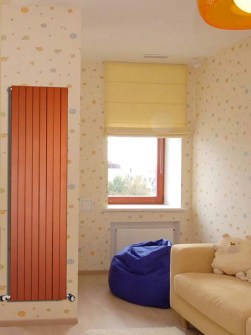
What is a low temperature radiator?
A low temperature radiator is designed to give off enough heat using lower water temperatures than traditional radiators. This makes them a good match for systems like heat pumps, which work most efficiently at lower flow temperatures.
Do I need special radiators for low-temperature heating?
Usually, yes. Standard radiators are built to work with higher water temperatures, so with low-temperature systems you normally need radiators with a larger surface area to get the same level of warmth.
Are low temperature radiators just bigger radiators?
In simple terms, yes. They’re often larger, deeper, or have more panels or columns, which increases surface area and allows them to release heat effectively at lower temperatures.
Will low temperature radiators heat my home properly?
Yes, as long as they’re sized correctly. Comfort comes from steady, even warmth rather than very hot radiators. When designed properly, low temperature systems heat homes gently but very effectively.
Are low temperature radiators only for heat pumps?
No. While they’re most commonly used with heat pumps, they can also work well with modern boilers set to lower flow temperatures to improve efficiency and reduce energy use.
Do low temperature radiators cost less to run?
They can do. Low-temperature systems are generally more efficient, especially when paired with heat pumps. Actual savings depend on insulation, system design and controls, but many UK homes do see lower running costs.
What types of radiators work best at low temperatures?
Radiators with a large surface area tend to perform best. Column radiators, multi-panel radiators and oversized designer models are all commonly used with low-temperature heating systems.
Can I replace my existing radiators with low temperature ones?
Yes, but it does take some planning. In most cases, existing radiators need to be replaced with larger ones, and the heating system should be properly designed and balanced to make sure every room heats evenly.