
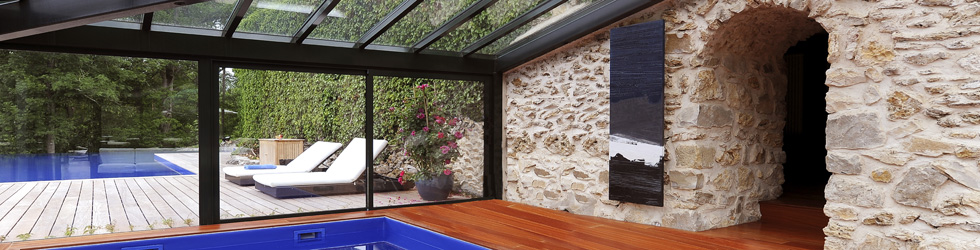
Bathroom radiators
Radiators for Bathrooms
Bathrooms place very different demands on heating compared to the rest of the house. Steam, moisture and limited ventilation can quickly leave the room feeling cold and damp, especially in older British homes. In smaller bathrooms, wall space is also limited once the bath, basin and storage units are installed, which is why choosing the right bathroom radiator matters far more than many people expect.
Some bathroom radiators are designed mainly for warming and drying towels, while others are built to properly heat the entire bathroom as well. Many people only realise the difference after the bathroom still feels cold even with warm towels hanging nearby. A bathroom that is not heated sufficiently often stays damp for longer, which is often when mirrors stay steamed up for hours and colder corners of the room never properly dry out. Over time, this can lead to that unpleasant musty feeling many people recognise in poorly ventilated bathrooms.
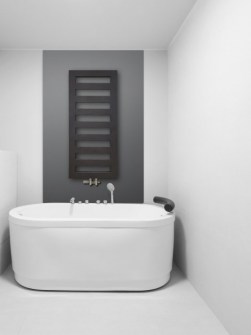
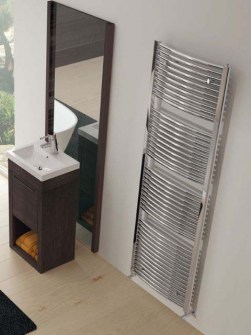
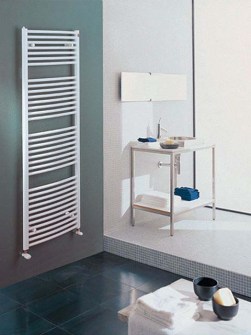
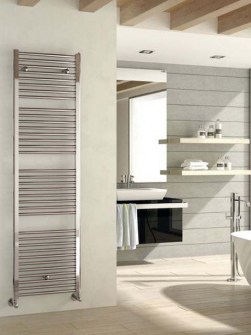
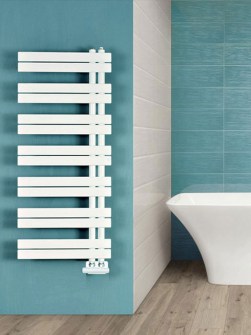
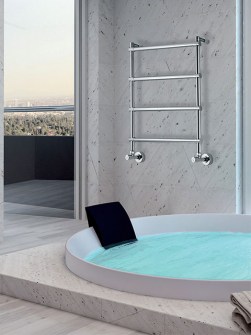
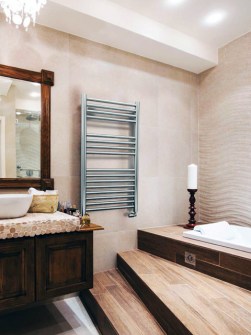
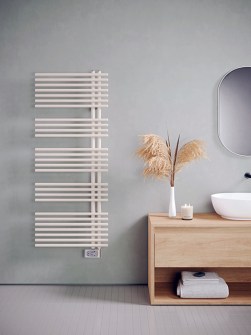
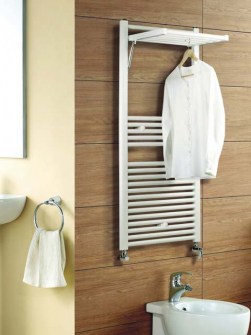
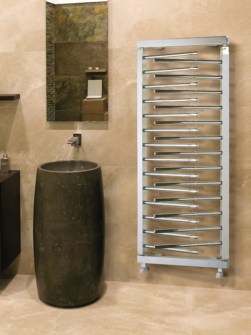
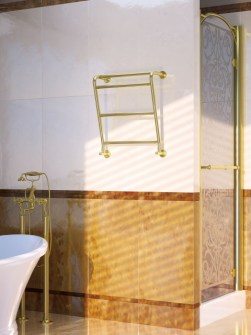
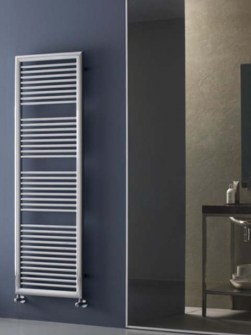
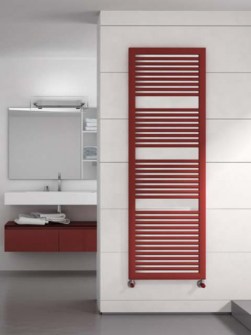
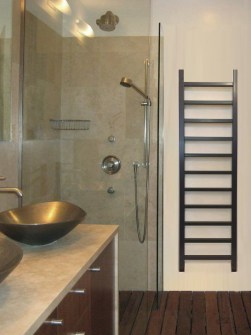
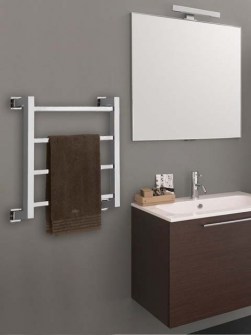
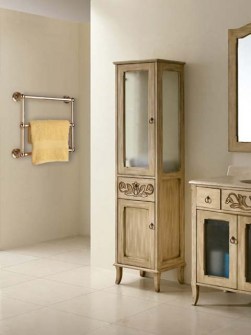
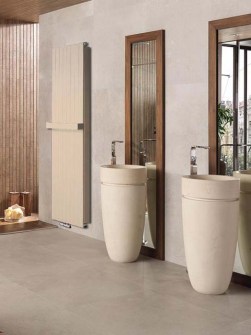
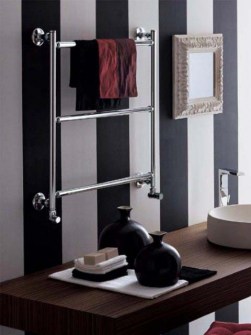
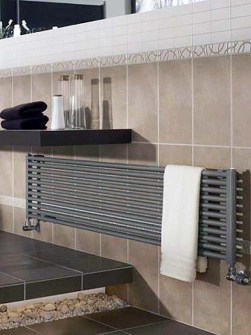
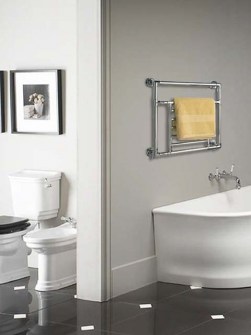
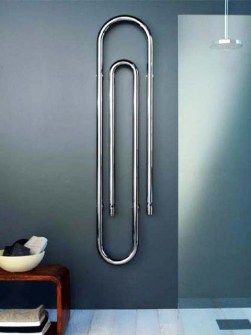
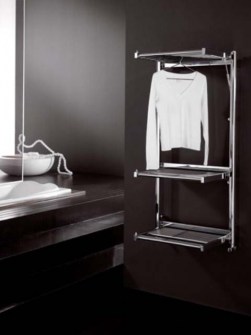
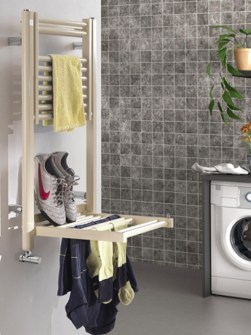
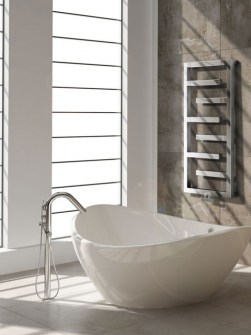
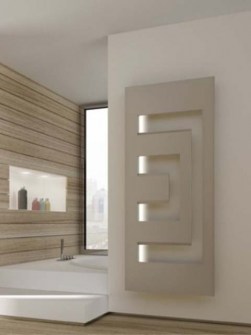
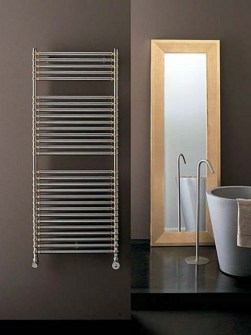
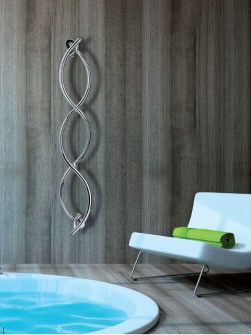
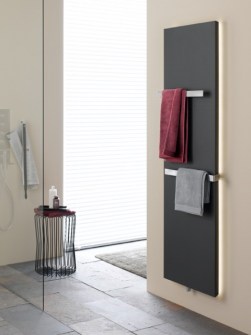
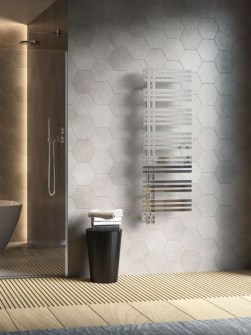
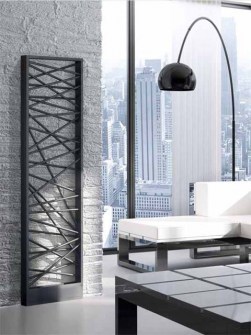
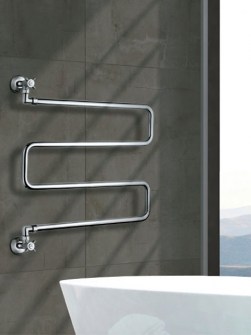
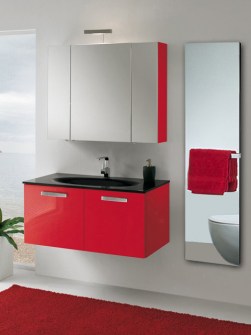
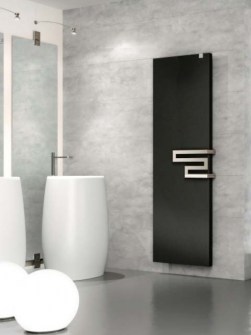
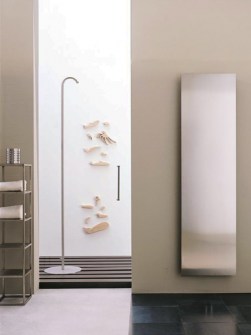
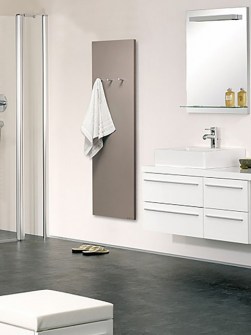
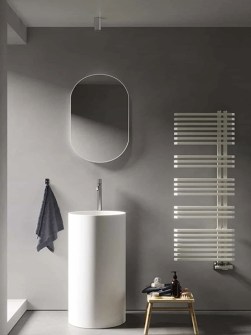
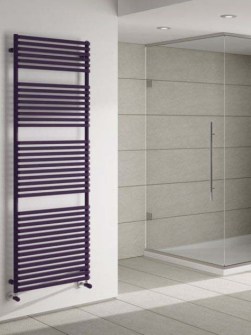
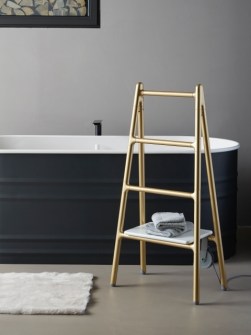
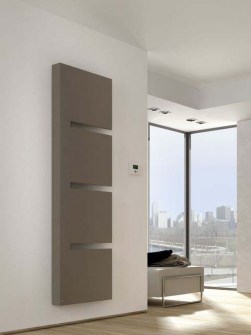
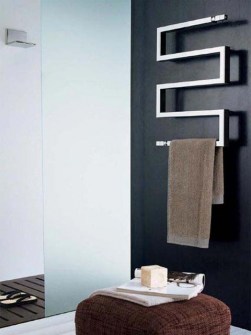
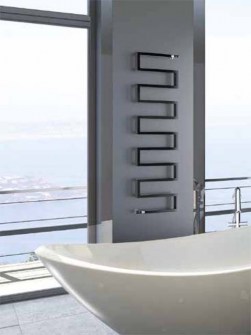
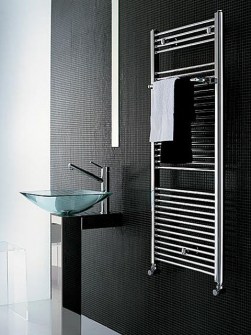
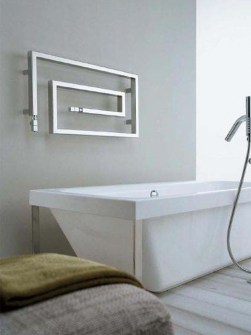
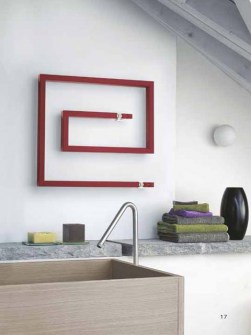
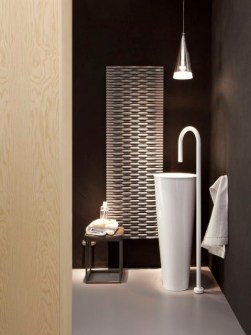
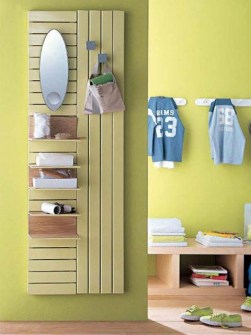
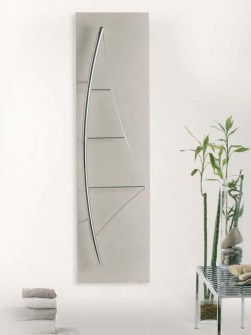
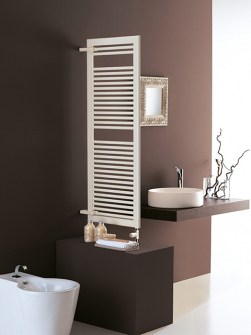
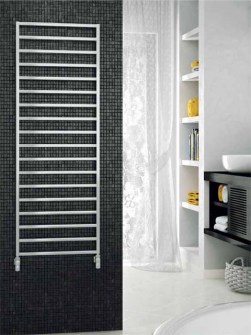
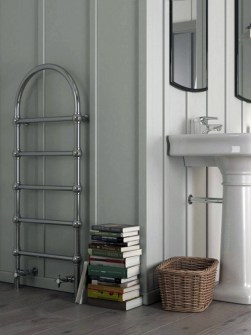
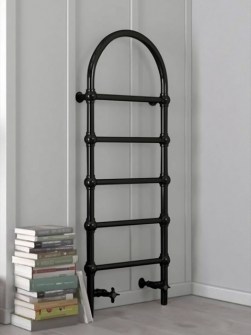
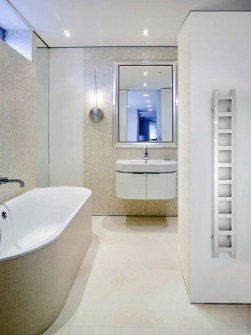
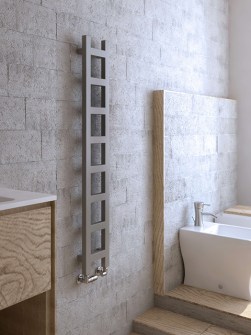
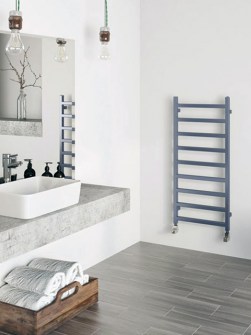
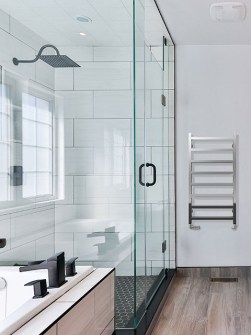
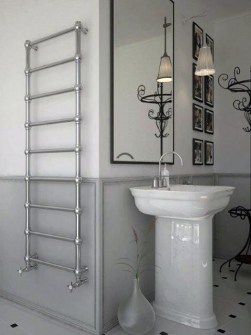
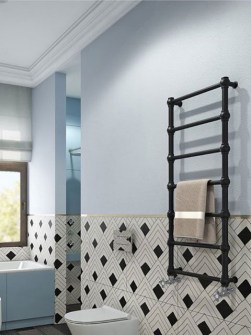
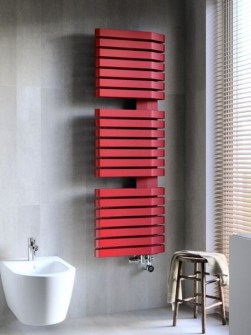
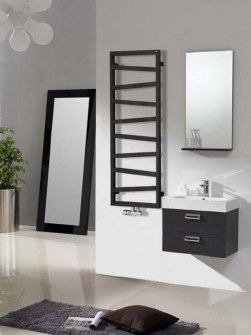
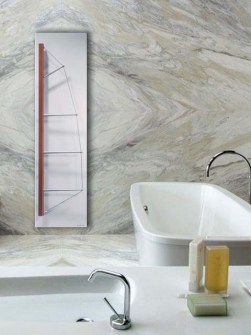
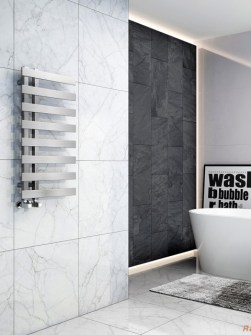
A well-sized bathroom radiator makes the room feel far more comfortable in everyday use, especially in busy family bathrooms where showers and damp towels are part of the daily routine. Warm towels and a properly heated bathroom make a noticeable difference on colder mornings. Nobody enjoys stepping out of a hot shower into a cold bathroom during winter. Vertical bathroom radiators and heated towel rails work especially well where floor and wall space are limited, while helping towels dry more naturally between uses instead of remaining damp for hours.
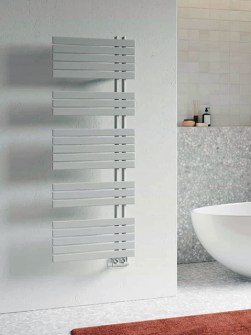
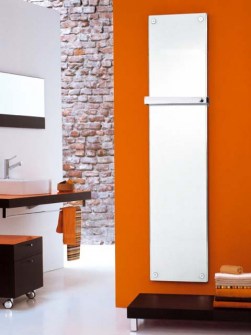
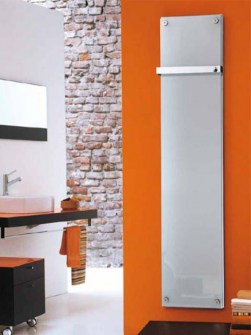
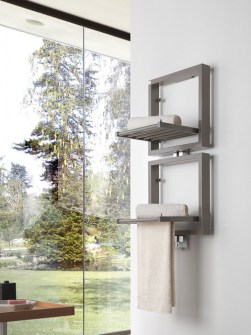
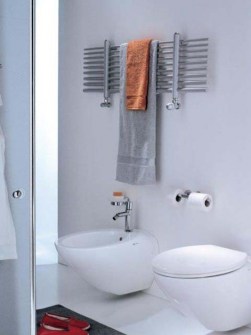
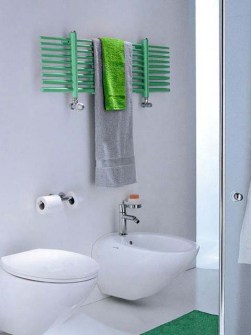
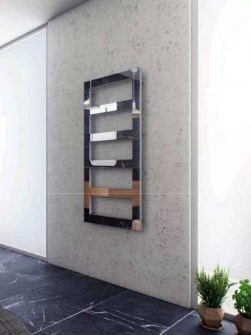
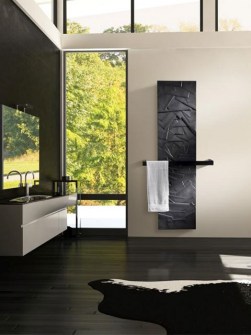
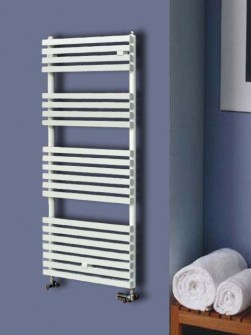
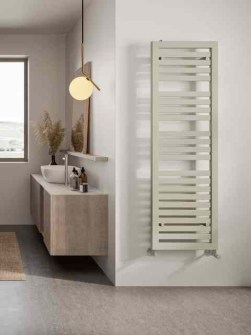
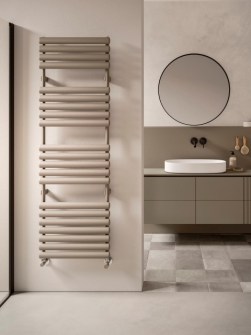
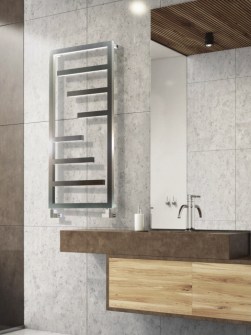

Why does my bathroom still feel damp even with a heated towel rail?
This is more common than many people expect. Some towel rails are mainly designed to warm towels rather than properly heat the whole bathroom. If the radiator output is too low, the room can still stay cold and damp after showers, especially in bathrooms with limited ventilation.
Will a bathroom radiator help reduce condensation?
Yes, when the radiator is sized correctly. A warmer bathroom dries out more effectively after showers, which helps reduce condensation on mirrors, windows and colder wall surfaces. Proper ventilation still matters, but sufficient heat makes a noticeable difference.
Do heated towel rails actually dry towels properly?
Some do, while others mainly keep towels warm. A correctly sized heated towel rail with adequate BTU output will help towels dry more effectively between uses instead of staying damp until the next shower.
Can I use a bathroom radiator during summer when the heating is off?
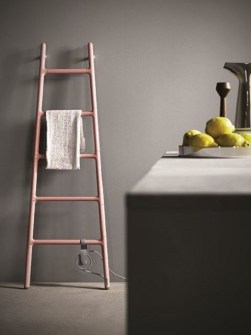
Yes, if you choose a dual-fuel model. These radiators connect to the central heating system but also include an electric heating element, allowing towels and the bathroom itself to stay warm even when the main heating is switched off.
Why does my bathroom feel cold even after a hot shower?
This usually happens when the radiator is only warming towels rather than properly heating the room itself. In colder months, bathrooms with insufficient BTU output can lose heat surprisingly quickly once the shower is turned off. Cold tiles and damp air can make the room feel uncomfortable again within minutes.
What is the best radiator for a small bathroom?
Vertical bathroom radiators and heated towel rails are often the most practical choice where wall space is limited. They provide effective heat output while taking up less usable wall space around basins, baths and storage units.
Why do bathroom mirrors stay steamed up for so long?
Usually because the room is staying damp after showers. Insufficient heating and poor ventilation often leave moisture sitting in the air for much longer than it should. In busy family bathrooms with several showers or baths each day, towels and surfaces can stay damp for hours if the room is not heated properly.
Can I match my bathroom radiator to the tiles or fittings?
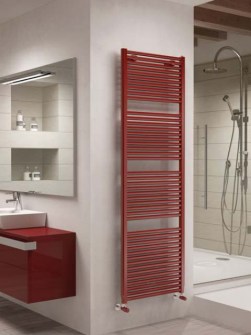
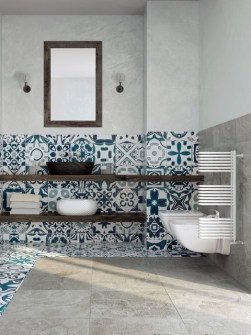
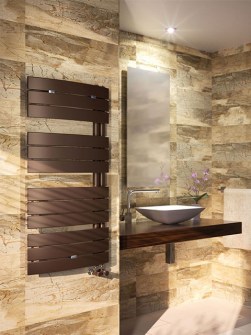
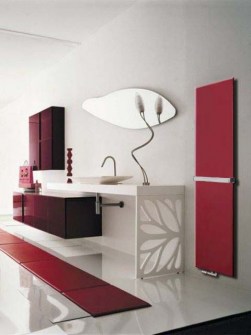
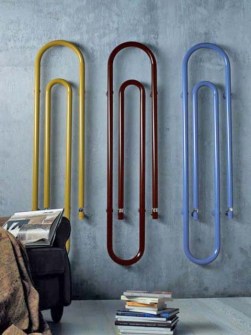
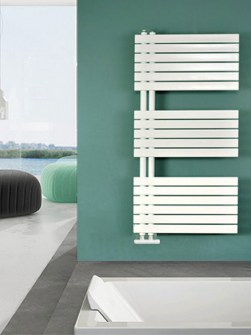
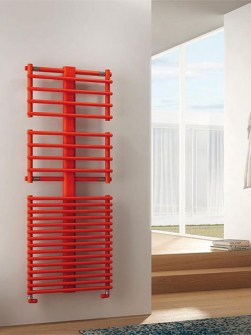
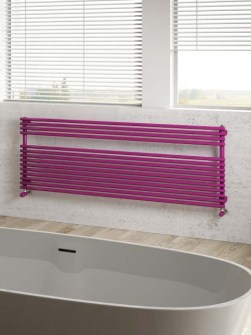
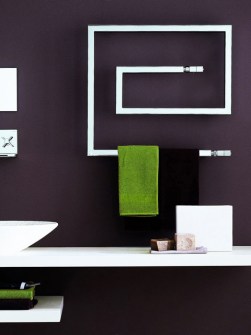
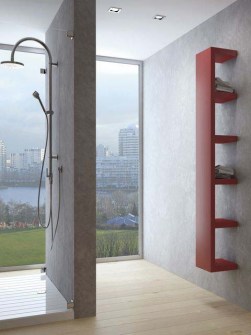
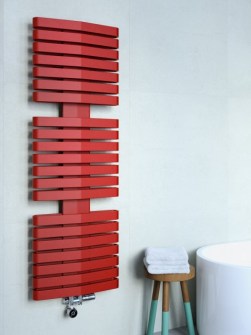
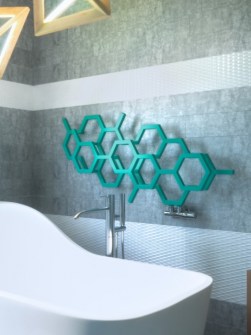
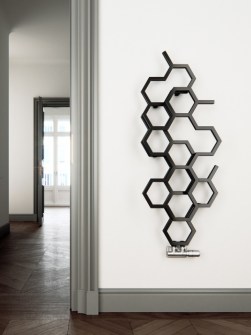
Yes. Many bathroom radiators within our collection are available in more than 200 RAL colours, helping the radiator fit more naturally alongside bathroom tiles, wall colours, taps or shower fittings.
How long should a bathroom radiator last?
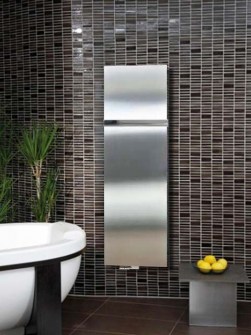
A well-made bathroom radiator should last for many years, even in humid conditions. Powder-coated and stainless steel bathroom radiators are particularly popular because they handle steam and daily bathroom moisture more reliably over time.