
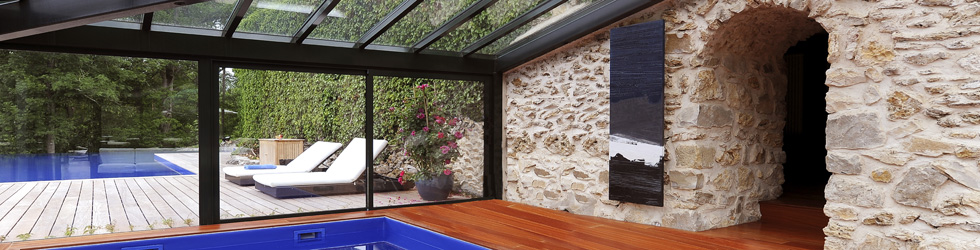
Kitchen radiators
Radiators for Kitchens and Dining Rooms
Kitchens rarely have enough wall space for a standard radiator. Between cupboards, appliances and doors, there is usually very little free wall area left. In many homes, the kitchen and dining space have also become somewhere people spend far more time than simply cooking. The radiator needs to heat the room properly without looking out of place in the kitchen.
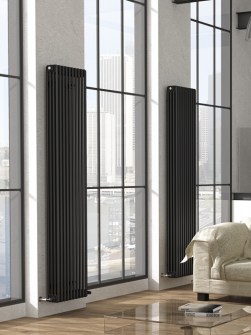
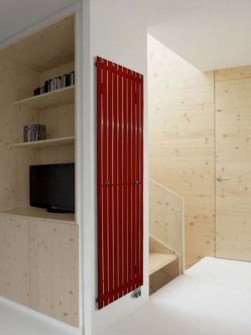
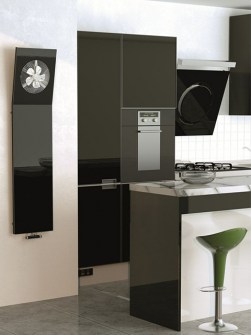
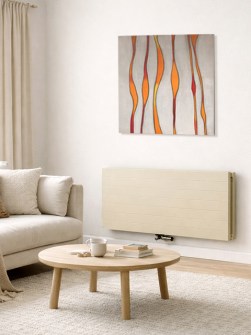
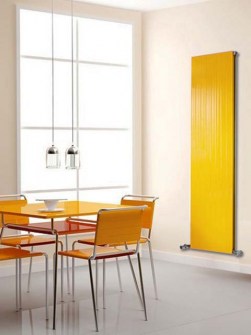
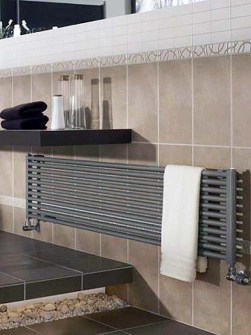
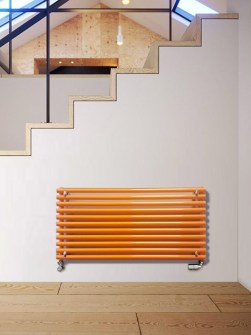
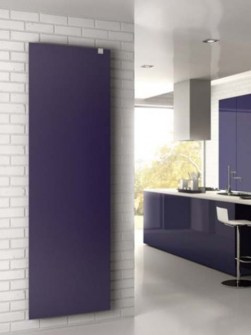
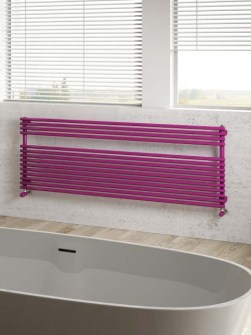
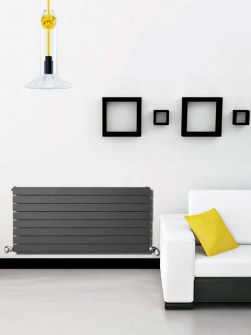
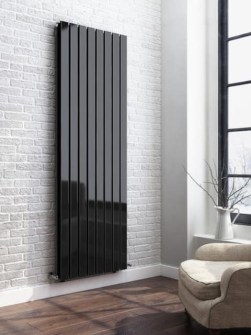
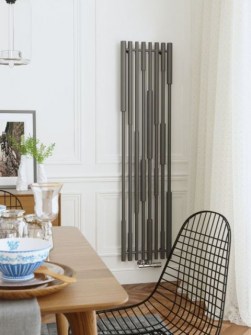
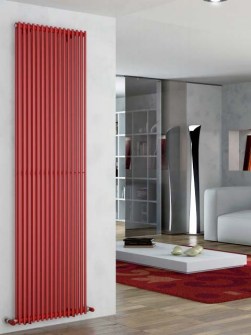
Vertical kitchen radiators and slimline designer radiators work particularly well where wider horizontal models would take up valuable room needed for storage or furniture. Lower horizontal radiators are also ideal beneath windows, breakfast bars or within open-plan kitchen-dining spaces where steady heat across the room matters. In these spaces, the radiator often remains fully visible, which is why many homeowners now choose modern designer radiators instead of standard panel models.
Kitchen radiators also need to cope with daily use. Steam, cooking moisture and changing temperatures make hygiene, durability and easy cleaning especially important. Many models within our collection feature flat, easy-clean surfaces that work well in busy family kitchens. Every radiator is manufactured to order in Europe and available in more than 200 RAL colours at no extra cost. BTU output is clearly displayed according to the selected size, and free UK mainland delivery is included.
Why does my kitchen always feel colder than the rest of the house?
Kitchens lose heat faster than many people realise. External doors, larger windows, tiled floors and extractor fans all pull warmth out of the room surprisingly quickly. This is especially noticeable in open-plan kitchen-dining spaces where one side of the room feels warm while the other still feels cold. A properly sized radiator makes a huge difference here.
Where do you usually put a radiator in a galley kitchen?
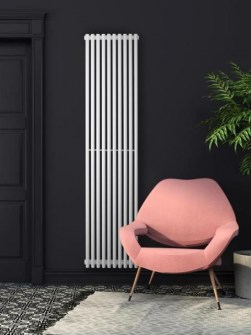
In most galley kitchens, the only realistic option is a narrow section of wall beside a tall cupboard, fridge-freezer or doorway. This is exactly why vertical kitchen radiators have become so popular. They provide strong heat output without taking away valuable storage or worktop space.
Are designer radiators actually practical in kitchens?
Yes — as long as they are designed properly and sized correctly. In modern kitchens and dining areas, the radiator is usually fully visible, so many homeowners prefer something that feels more in keeping with the kitchen than a standard white panel radiator.
Do kitchen radiators get dirty quickly?
Honestly, yes. Kitchens create a fine layer of grease and dust that settles on almost everything over time, especially near cooking areas. From experience, smooth flat-panel radiators and simpler vertical designs are much easier to wipe clean than heavily textured or highly detailed models.
Can I fit a radiator beside a fridge-freezer?
You can, although leaving some airflow between the radiator and appliance is important. Slim vertical radiators are often used in these narrower gaps because wider models simply will not fit comfortably in most kitchens.
Are vertical radiators good for small kitchens?
Very much so. In smaller kitchens, wall width disappears quickly once cupboards and appliances are installed. Vertical radiators use the height of the wall instead, helping free up more usable space without sacrificing heat output.
Can I match the radiator to my kitchen colour scheme?
Yes. Many kitchen radiators within our collection are available in more than 200 RAL colours, making it much easier to match the radiator with cabinetry, flooring or worktops instead of treating it like something that needs to be hidden away.
Can I order a radiator in a custom size for my kitchen?
Yes. Every radiator is manufactured to order, allowing you to choose the exact size, colour and connection type for your kitchen layout and existing pipework.