
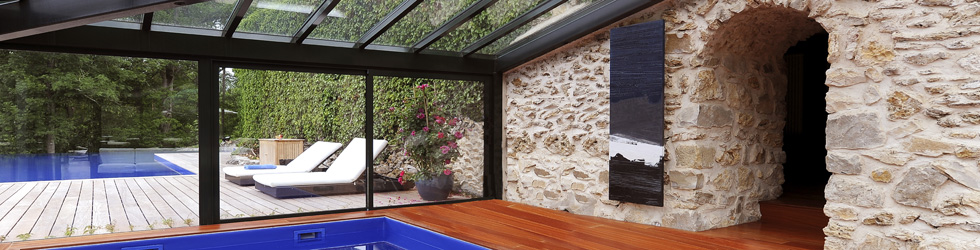
Central heating radiators
Central Heating Radiators UK
Central heating radiators remain one of the most common heating solutions in UK homes. Designed to work with wet central heating systems, they provide reliable warmth for living rooms, bedrooms, kitchens and hallways. Traditionally installed beneath windows, radiators help counteract cold downdraughts from glazing and distribute heat evenly throughout the room.
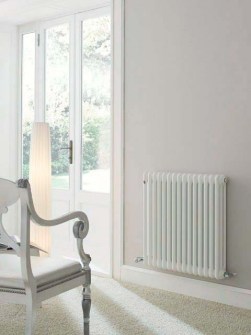
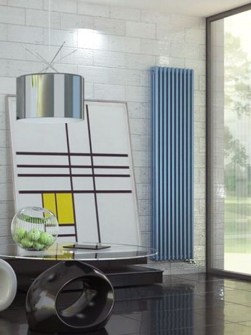
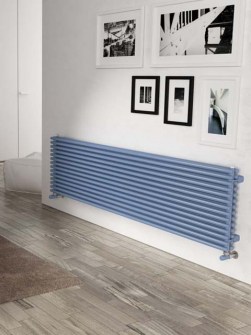
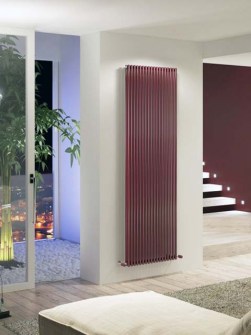
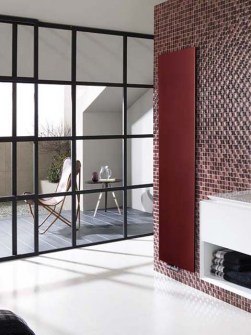
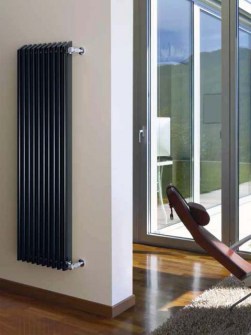
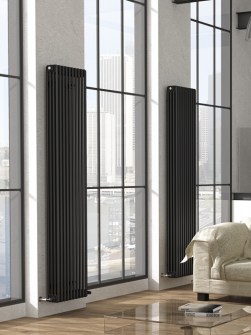
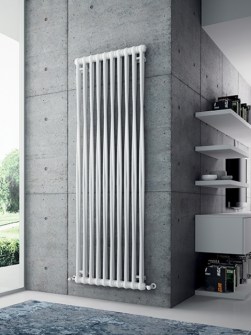
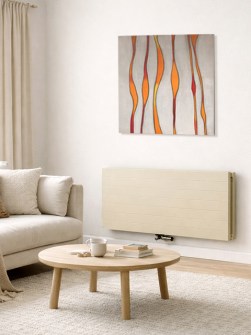
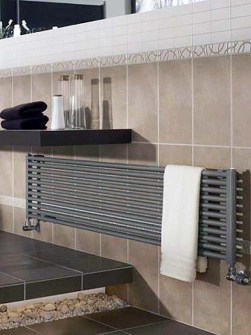
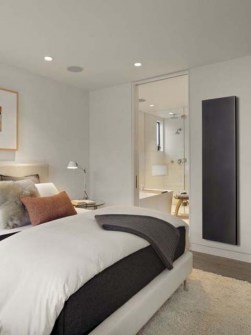
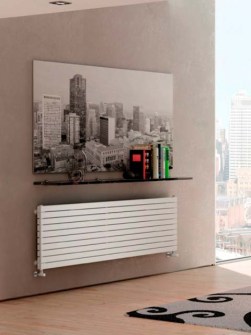
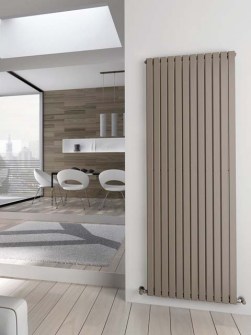
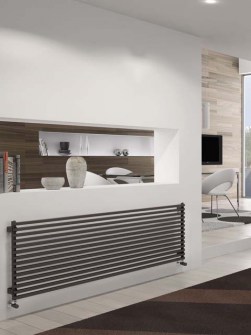
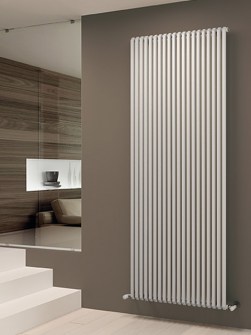
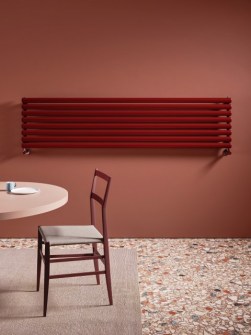
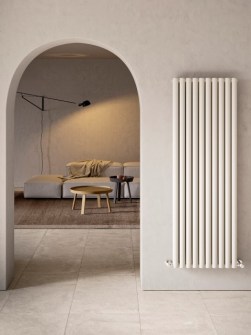
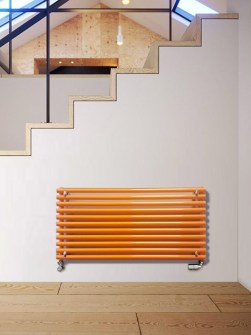
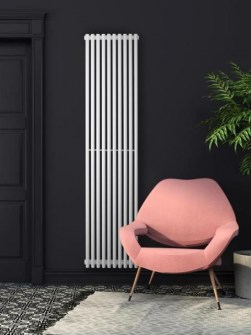
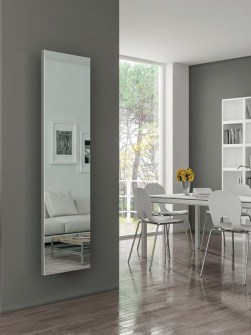
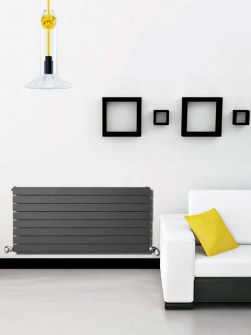
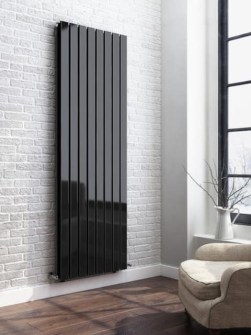
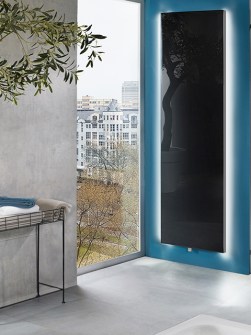
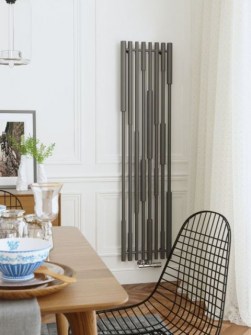
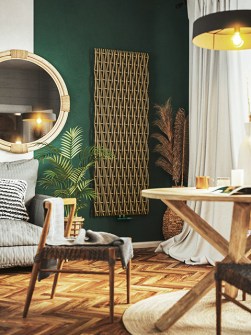
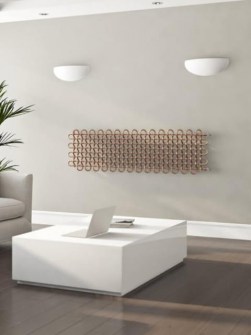
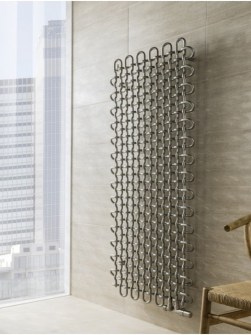
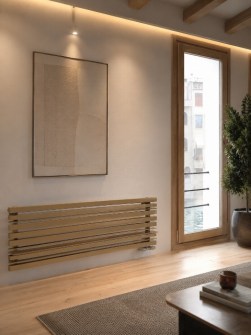
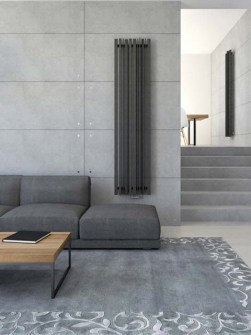
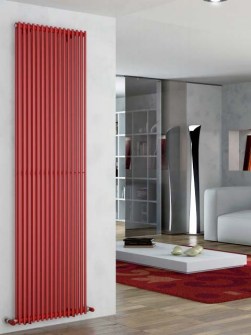
While the placement is familiar, the design and variety of central heating radiators have evolved considerably. Today’s collections include classic column radiators, sleek modern panels and space-saving vertical radiators, making it easier to choose a model that fits both the layout of the room and the style of the interior. Whether you are replacing an older unit or upgrading your heating system, there are radiators for central heating suited to both traditional and contemporary homes.
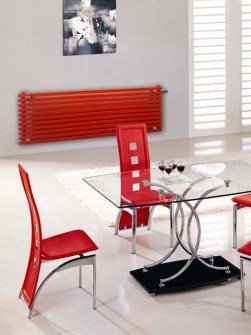
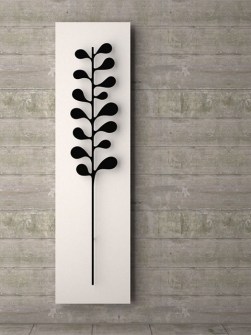
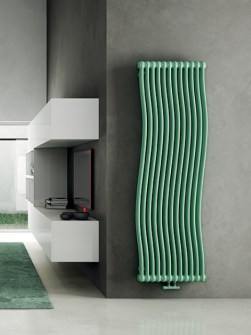
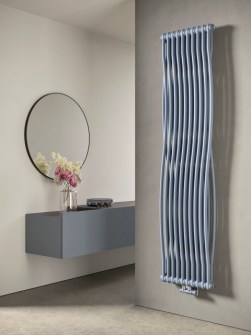
Beyond functionality, appearance also plays an important role. Our range includes carefully designed designer radiators that combine dependable heat output with clean, balanced design.
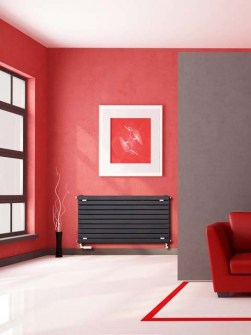
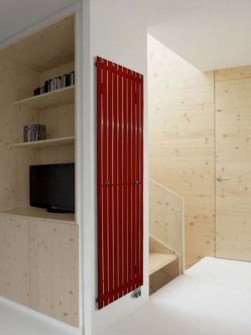
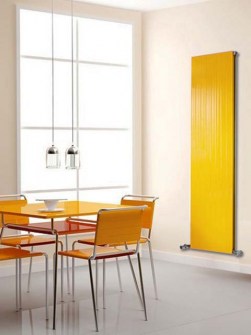
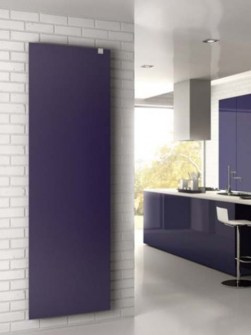
To ensure the right finish for every interior, our central heating radiators are available in more than 200 RAL colours as standard, allowing you to match the radiator to your space without paying an additional colour surcharge.

What actually makes a radiator “good” or “bad”?
Most failures are performance-based. A radiator that never quite gets the room comfortable isn't "almost right"—it is undersized or too thin to retain heat. In British homes, especially older terraces, thermal mass is a requirement, not an option. If it struggles on a cold January evening, it was never fit for purpose.
How do I know the size will actually heat the room?
Heat loss must be calculated based on room volume, insulation, and glazing. Measuring the wall space is a mistake. Selecting a unit based on available space rather than required BTUs is the most common error UK homeowners make. If the radiator is undersized, the room will never reach temperature, regardless of how long the boiler runs.
Will these work with a heat pump?
Yes, provided the heat pump is designed specifically for radiator-based heating systems. Radiators require a heat pump capable of producing flow temperatures of around 50–55°C. Low-temperature systems alone are not always sufficient for traditional radiator setups. When a correctly specified radiator is paired with a heat pump optimised for radiator operation, the system delivers stable and predictable heating performance.
Are they compatible with standard UK pipework?
Yes. Our units use standard UK pipe centres, meaning replacements are straightforward when dimensions match. Relocating pipework or upgrading an entire system is a broader task, but for like-for-like swaps, the installation should be predictable rather than disruptive.
Is professional installation required?
For a direct swap where pipe centres match and the system can be safely drained and repressurised, competent DIY is an option. However, for layout alterations or heat pump integration, a qualified heating engineer is necessary. Poor installation undermines high-quality hardware.
How long should a quality radiator last?
Twenty years is a realistic expectation for a properly manufactured unit. Premature failure is almost always due to thin steel and internal corrosion. Longevity is decided at the point of purchase; a budget unit built to a minimum specification rarely lasts beyond a decade.
Steel or aluminium — which is better for a British home?
The choice depends primarily on how the space is used. Steel radiators retain heat longer after the heating cycle stops, providing greater thermal stability in homes heated throughout the day. Aluminium radiators respond more quickly, making them suitable for intermittently heated rooms. The decision should be based on usage rather than which material appears more modern. However, aluminium and steel radiators should never be mixed within the same heating system. A system should be fitted entirely with aluminium radiators or entirely without them, as combining different metals can lead to corrosion issues and long-term system failure.
Can I choose a colour other than white?
Yes. Over 200 RAL colours are available as standard. Colour choice is an aesthetic decision; it should not affect the engineering cost or carry a premium surcharge.