
Electric radiators
Electric Designer Radiators UK – Independent Architectural Heating
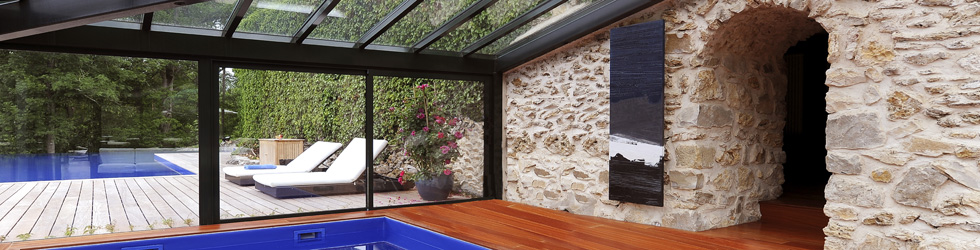
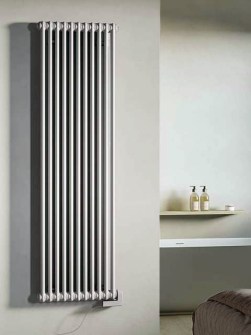
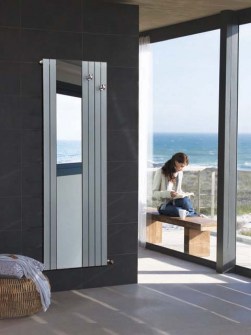
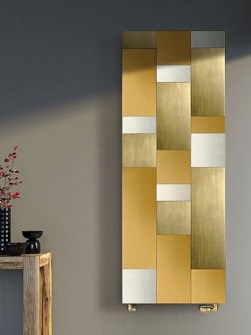
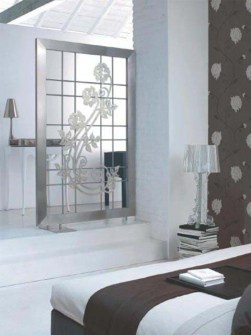
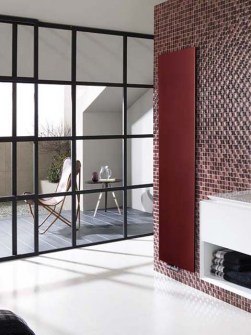
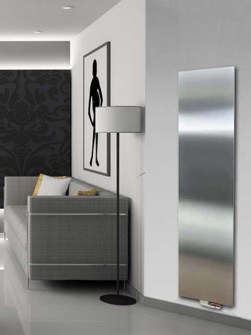
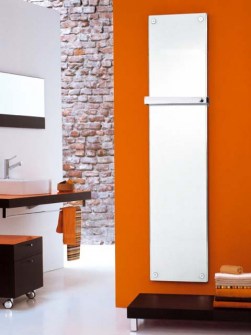
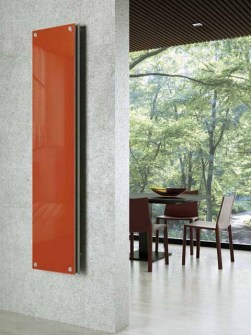
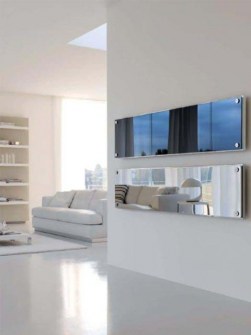
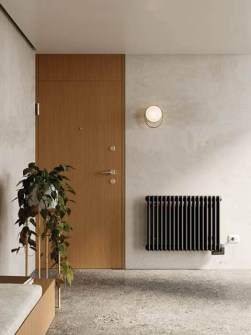
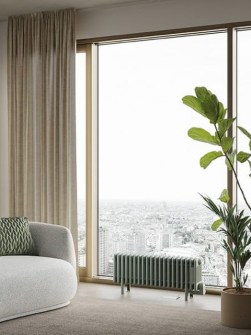
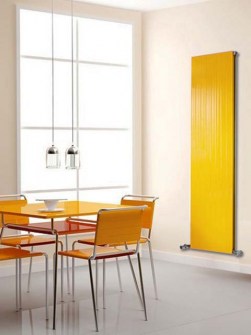
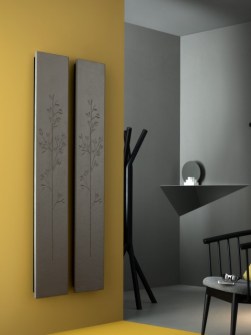
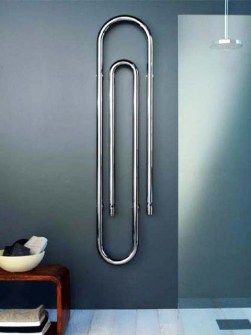
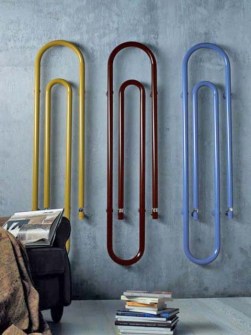
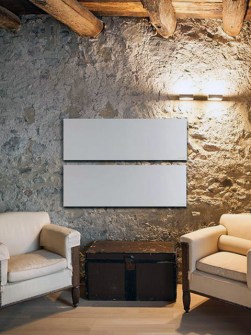
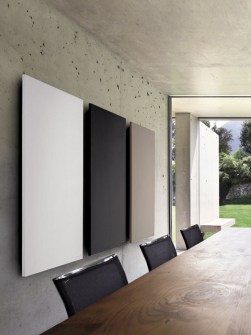
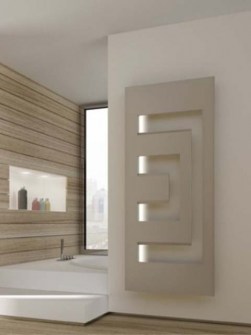
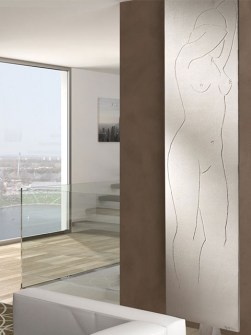
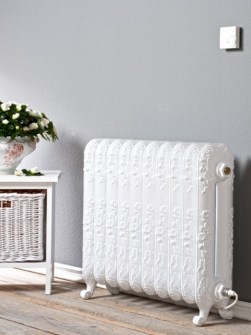
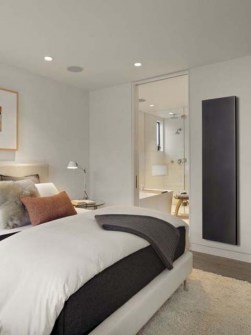
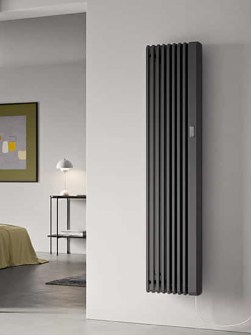
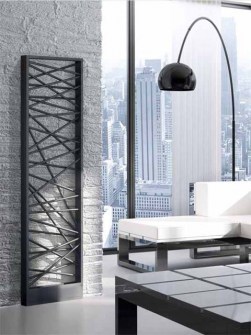
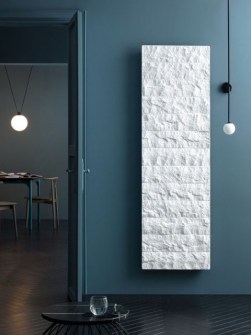
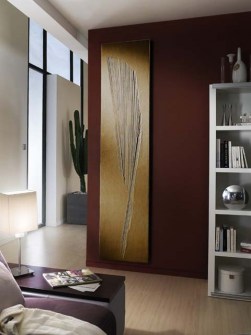
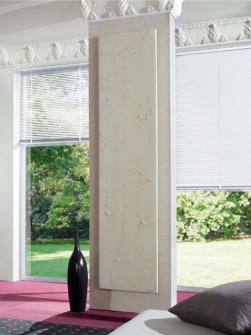
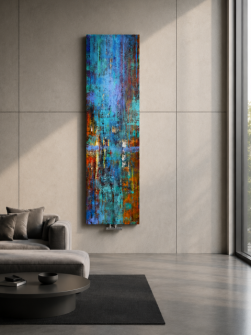
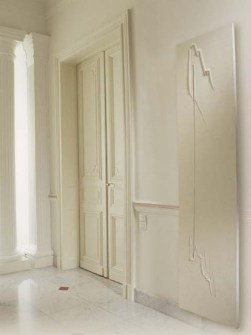
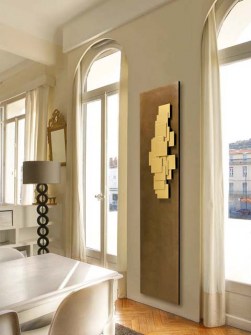
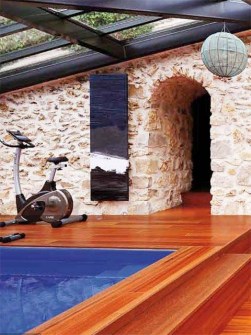
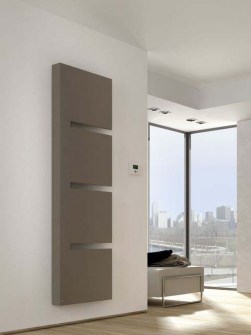
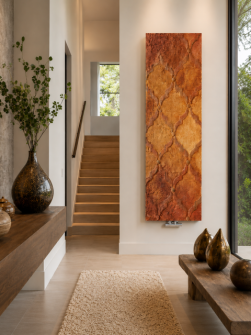
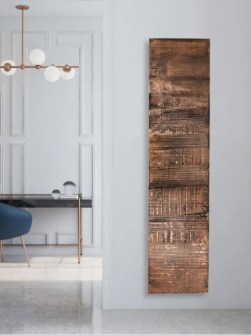
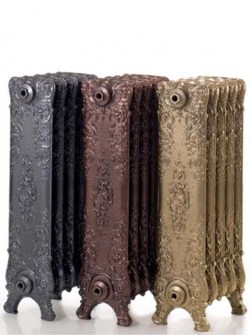
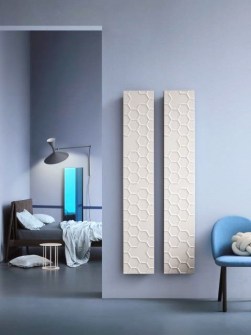
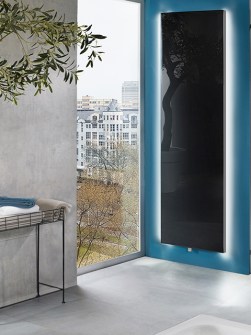
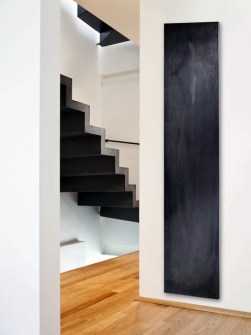
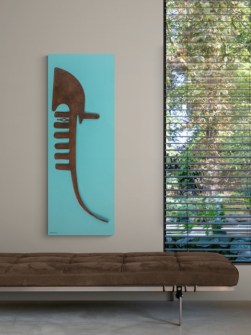
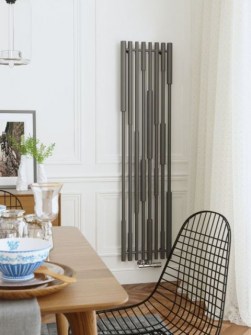
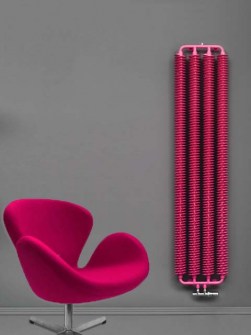
Our electric designer radiators represent a clear alternative to the temporary plug-in heaters found in high street stores. These are permanent, wall-mounted units designed for those who demand high-end aesthetics alongside independent temperature control. Whether you are heating a loft conversion, a home office, or a modern extension where extending central heating pipework is impractical, these radiators provide a sophisticated standalone solution. They allow you to maintain your interior vision without the logistical hurdles of major plumbing work, offering a high-performance alternative that functions as a purposeful part of your decor.
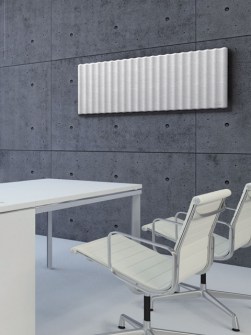
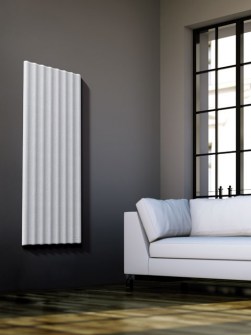
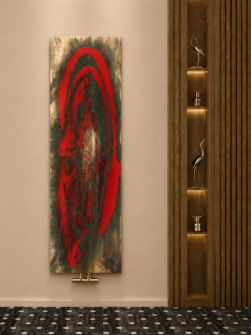
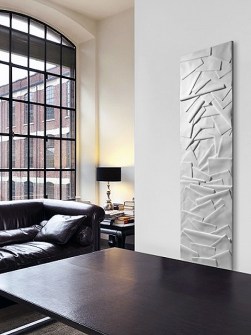
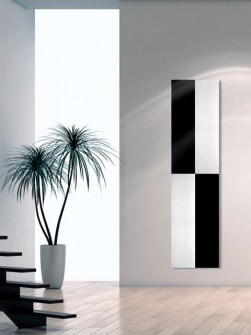
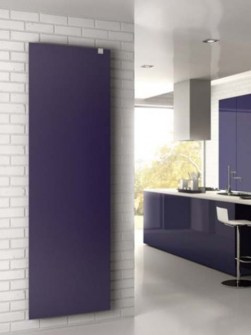
Beyond the visual impact, these energy-efficient units are engineered for precision, featuring programmable timers that ensure warmth is delivered exactly when required. This collection showcases European craftsmanship, moving away from basic utility to offer sculptural forms and minimalist profiles. To ensure total integration, we provide our entire range in over 200 RAL Classic colours at no additional charge. It is a dependable, high-end solution for UK projects that require a balance of luxury and smart, independent control, ensuring your heating is both a technical success and a lasting interior feature.
























Are electric radiators expensive to run in the UK?
They can be if they’re used badly, but that’s not usually the case with modern models. Today’s electric radiators are designed to run efficiently, and when used with thermostats, timers and zoned control, many UK households find them very economical, especially for individual rooms.
Do electric radiators heat as well as central heating radiators?
Yes, they do. An electric radiator will heat a room just as effectively as a central heating radiator, as long as it’s the right size for the space. The main difference is how the heat is produced, not how warm the room actually feels.
Do electric radiators need plumbing?
No, they don’t. Electric radiators don’t need any pipework at all — just an electrical connection. That’s why they’re popular in homes without gas, as well as in extensions, loft conversions and home offices.
Can electric radiators be left on all the time?
They can be, but it’s generally not a great idea. Using thermostats and timers means the radiator only runs when heat is actually needed, which helps keep running costs sensible.
Are electric radiators suitable for whole-house heating?
Yes, especially in well-insulated UK homes. Many flats and newer properties use electric radiators as a full heating solution, with each room controlled separately to suit how the space is used.
What size electric radiator do I need for my room?
This depends on the room size, insulation and ceiling height. As a rule of thumb, you work out the required wattage for the space and choose a radiator that matches — or slightly exceeds — that figure.
Are electric radiators safe to use overnight?
Yes. Modern electric radiators come with built-in safety features like overheat protection and accurate temperature control, which makes them safe to run overnight when set correctly.
Are electric radiators more efficient than electric heaters?
Yes, in most cases. Electric radiators provide steady, controlled heat, while basic plug-in heaters tend to blast out short bursts of warmth with little temperature control, which often leads to higher energy use.