
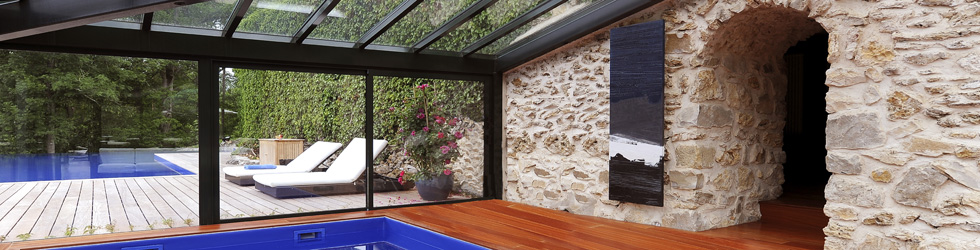
Bathroom radiators
This category holds 77 bathroom radiators and heated towel rails available to order: 72 for central heating (26 of them also as dual fuel) and 5 electric only. Bodies are steel, stainless steel, brass or stone, outputs run from 38 W to 3009 W, heights from 200 to 2200 mm, and every model is made to order in around 5 to 12 weeks.
Radiators for Bathrooms
Bathrooms place very different demands on heating compared to the rest of the house. Steam, moisture and limited ventilation can quickly leave the room feeling cold and damp, especially in older British homes. In smaller bathrooms, wall space is also limited once the bath, basin and storage units are installed, which is why choosing the right bathroom radiator matters far more than many people expect.
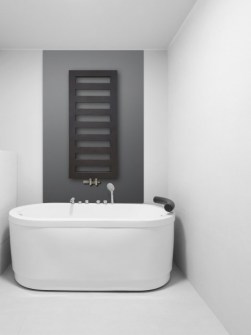
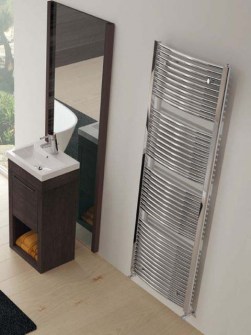
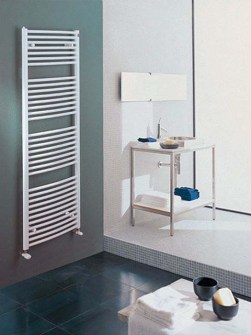
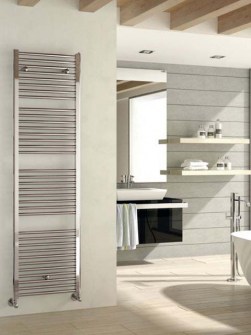
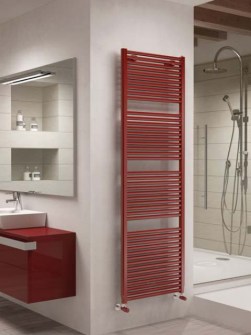
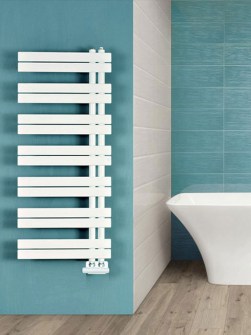
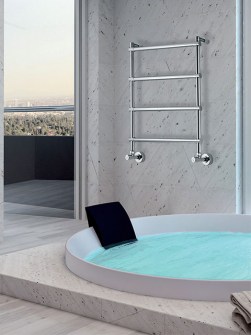
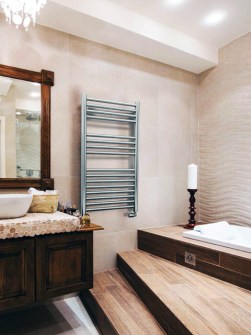
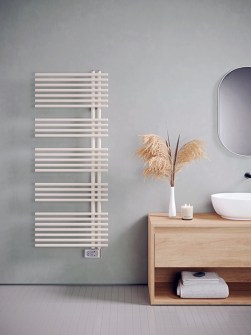
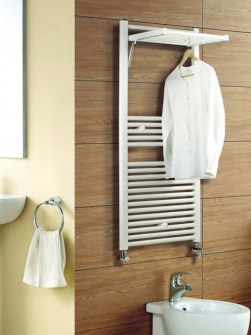
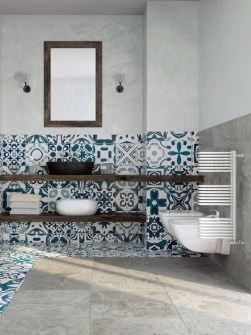
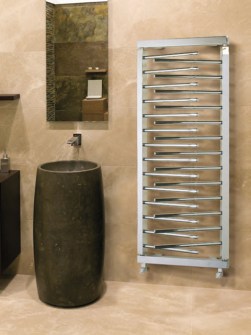
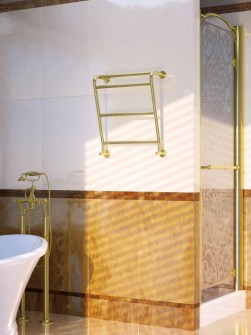
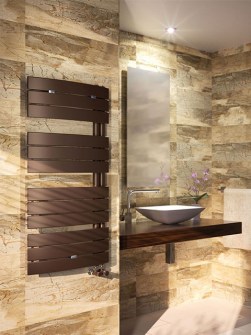
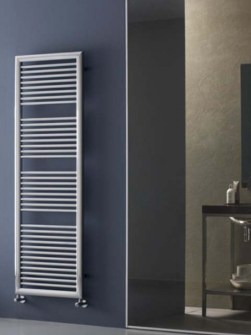
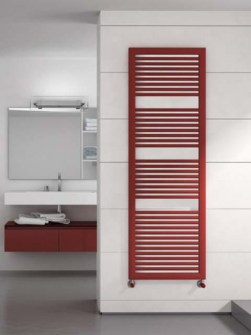
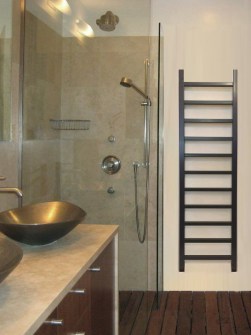
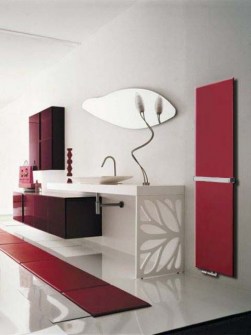
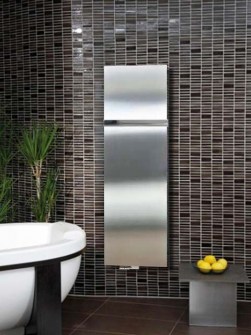
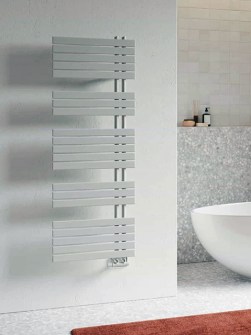
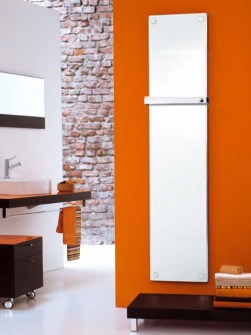
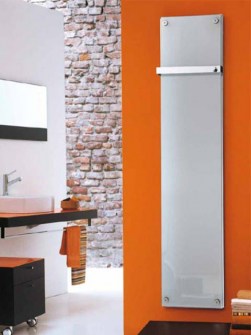
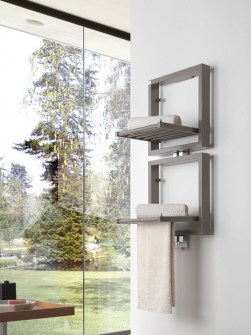
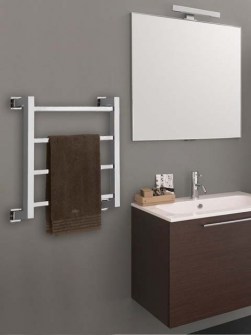
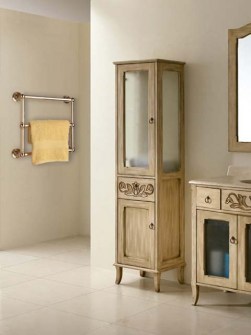
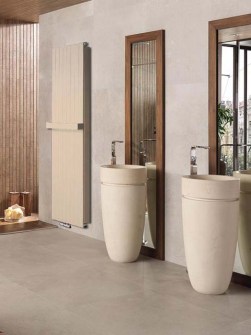
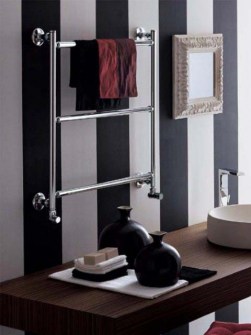
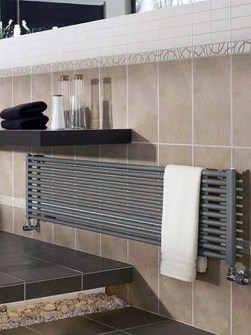
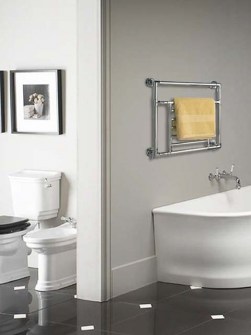
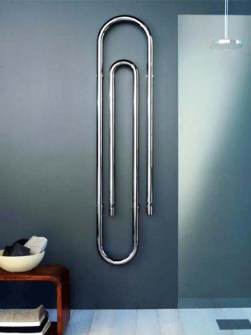
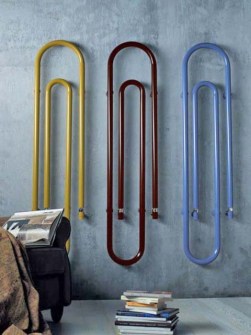
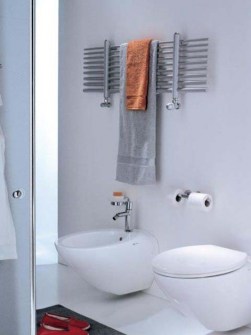
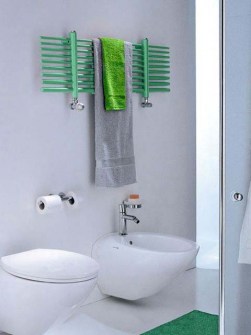
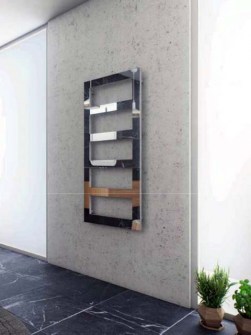
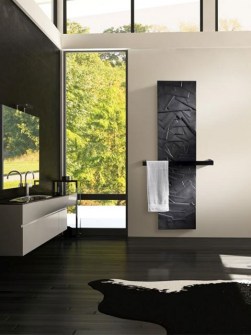
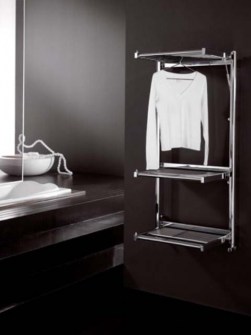
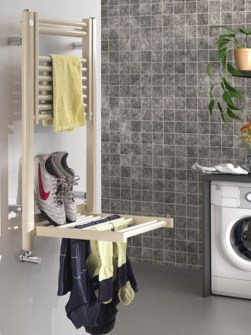
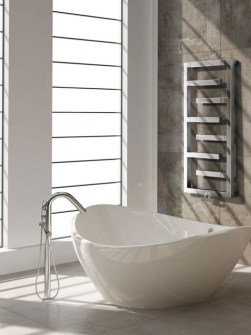
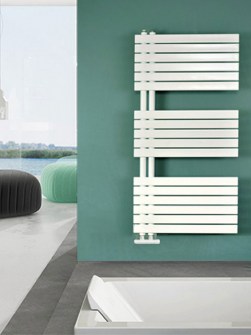
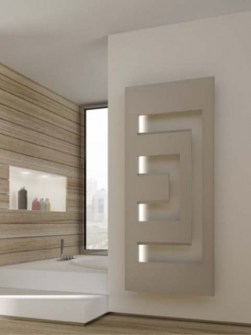
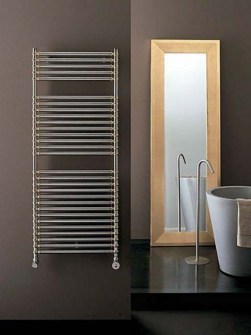
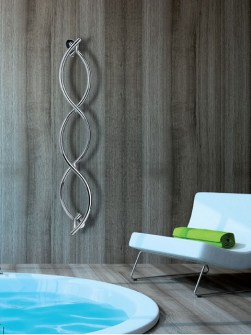
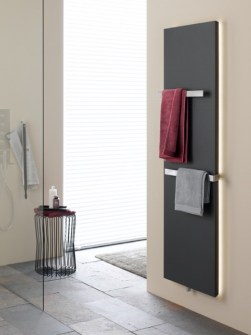
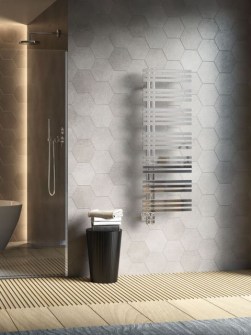
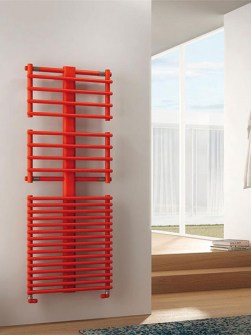
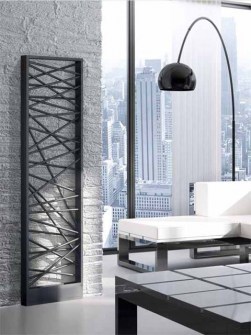
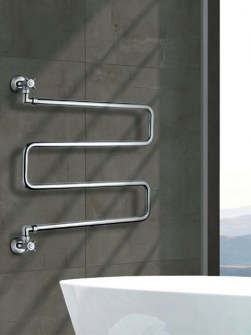
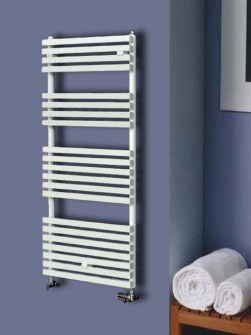
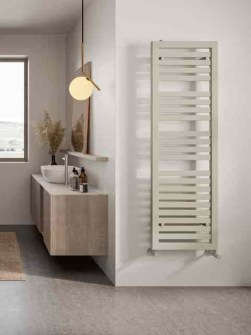
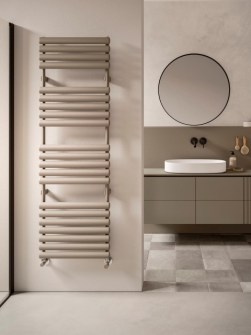
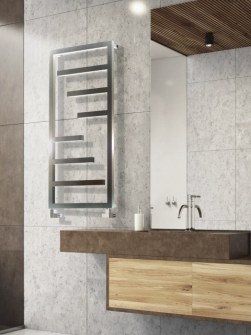
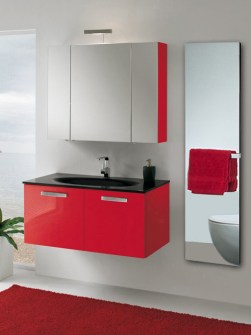
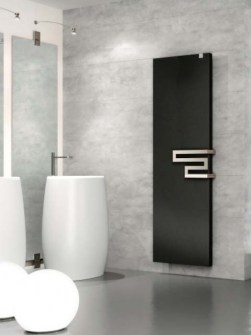
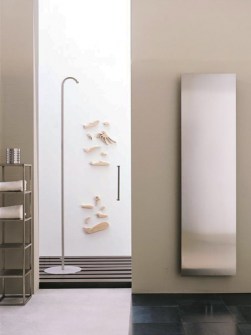
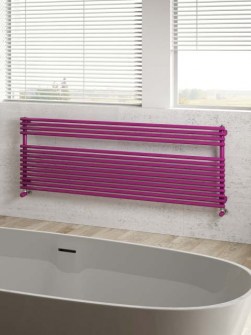
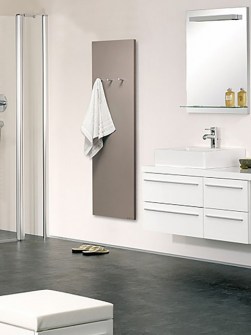
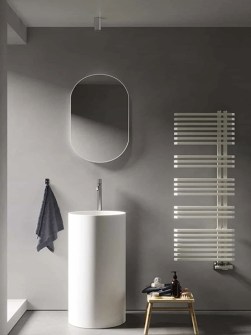
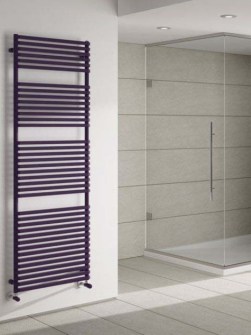
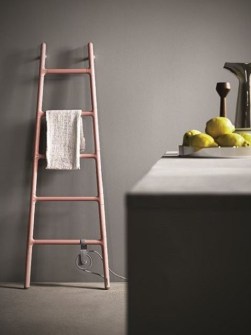
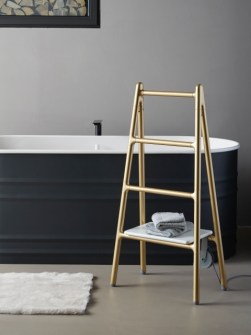
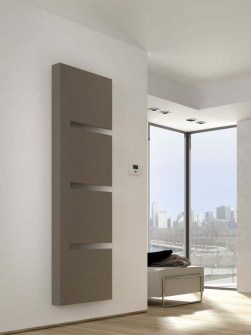
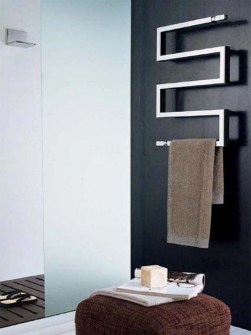
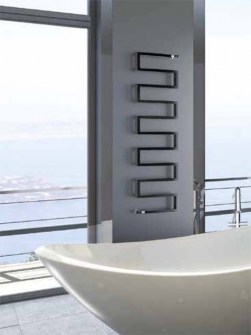
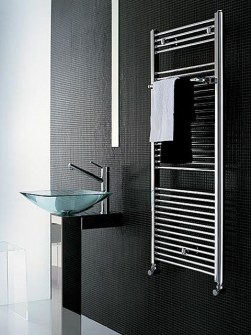
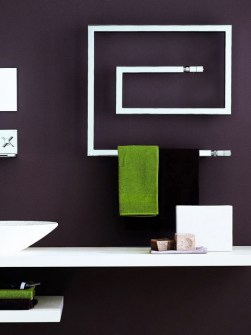
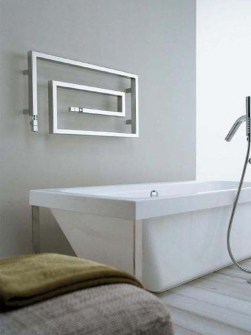
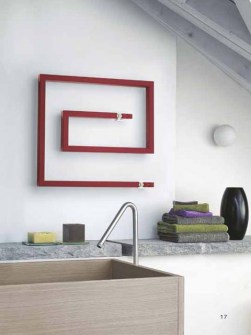
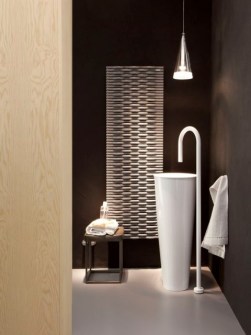
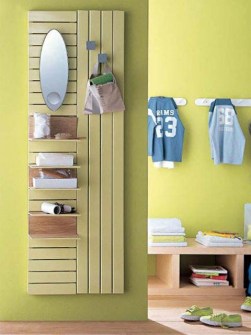
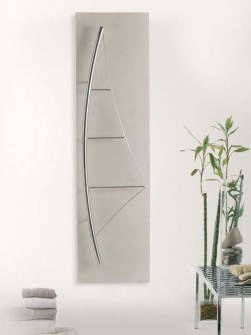
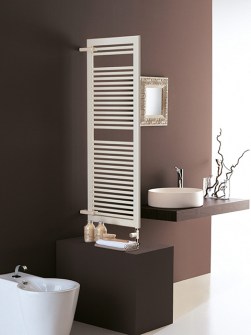
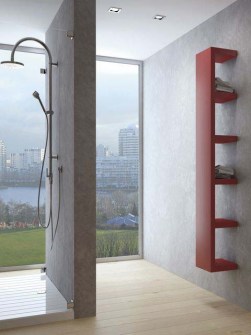
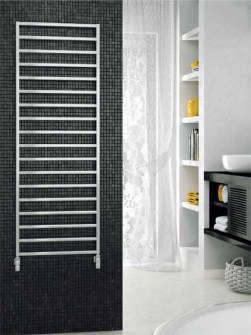
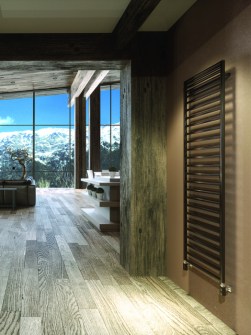
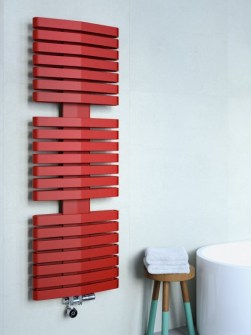
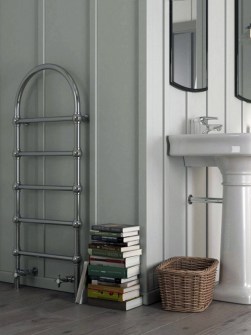
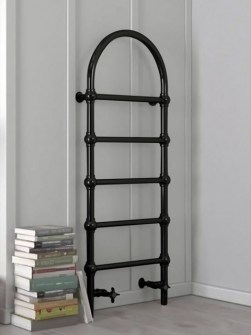
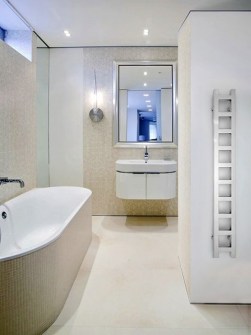
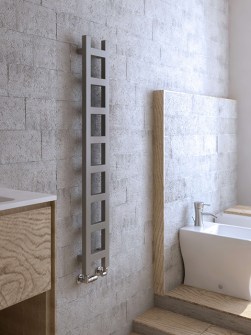
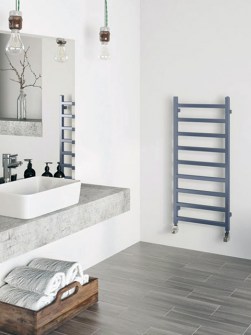
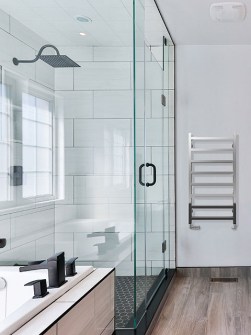
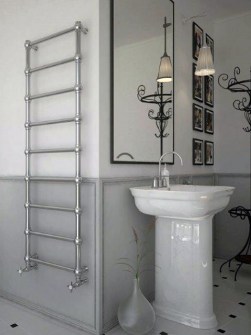
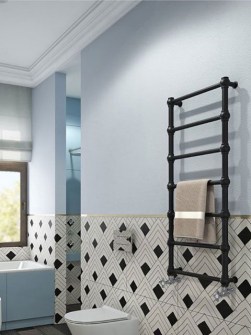
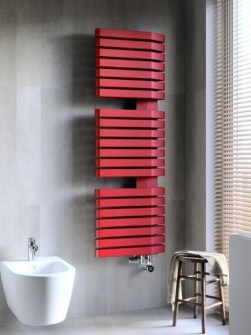
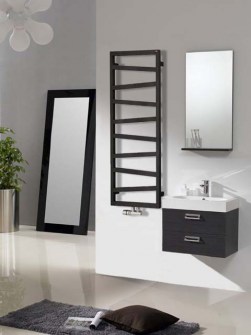
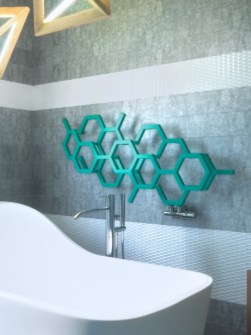
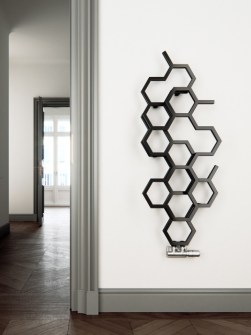
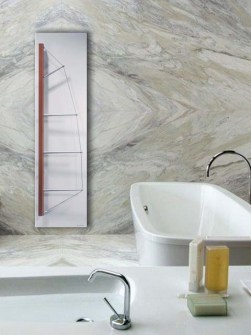
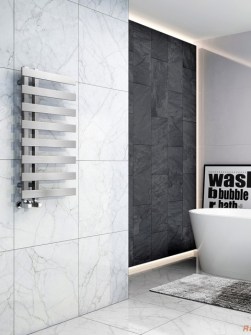
Some bathroom radiators are designed mainly for warming and drying towels, while others are built to properly heat the entire bathroom as well. Many people only realise the difference after the bathroom still feels cold even with warm towels hanging nearby. A bathroom that is not heated sufficiently often stays damp for longer, which is often when mirrors stay steamed up for hours and colder corners of the room never properly dry out. Over time, this can lead to that unpleasant musty feeling many people recognise in poorly ventilated bathrooms.
A well-sized bathroom radiator makes the room feel far more comfortable in everyday use, especially in busy family bathrooms where showers and damp towels are part of the daily routine. Warm towels and a properly heated bathroom make a noticeable difference on colder mornings. Nobody enjoys stepping out of a hot shower into a cold bathroom during winter. Vertical bathroom radiators and heated towel rails work especially well where floor and wall space are limited, while helping towels dry more naturally between uses instead of remaining damp for hours.
Heated towel rail or bathroom radiator?
The difference is heat output. A small towel rail may give out less than 100 W, which keeps towels warm but will not heat a cold bathroom. Larger models in this category reach well over 1000 W, enough to heat the room as well. Each product page lists the output in watts for every size, so compare that figure with what your bathroom needs. The BTU calculator gives you that number.
Where wall space is tight, see also our vertical radiators and towel radiators.
Central heating, electric or dual fuel?
- Central heating: 72 models connect to your wet heating system and work whenever the boiler heats the radiators.
- Dual fuel: 26 of them can also take an electric heating element, so the bathroom and towels stay warm in summer when the central heating is off. Examples: Bar ST, Forum, Magnum, Rime, Saxo and the Real Bath mirror radiator.
- Electric only: 5 models need no pipework, just a power supply: Eternity E, Etna, Gondola, Scaletta and the free-standing Scaletta Free.
See all electric towel rails.
Which material suits a bathroom?
- Steel: 50 models.
- Stainless steel: 7 models: Bar ST, Delta Bathroom ST, Dream Bath ST, Malibu ST, Rex Bathroom ST, Serpentes ST and Snail ST.
- Brass: 9 models, with a brass body rather than a brass-coloured coating.
- Stone: 5 models: Horoscope, Riviera, Sculptural, Veil Epure and Yacht.
Where can an electric towel rail go in a bathroom?
In the UK, electrical installations in rooms with a bath or shower follow BS 7671 Section 701. The room is divided into zones: zone 1 is the space directly above the bath or shower tray, and zone 2 extends 0.6 m beyond it. Electrical equipment fixed in zones 1 and 2 must be protected to at least IPX4. Check the IP rating on the product page, and have the electrical connection made by a qualified electrician.
Sources: Voltimum, Section 701; SELECT pocket guide.
Bathroom radiators by type
| Type | Models | Good to know |
|---|---|---|
| Central heating | 72 | Heat output listed in watts for each size |
| Dual fuel | 26 | Electric element for when the heating is off |
| Electric only | 5 | No pipework needed |
| Steel | 50 | The largest group in this category |
| Stainless steel | 7 | Marked ST in the model name |
| Brass | 9 | Brass body |
| Stone | 5 | Stone listed as the material |
What should you check before you order?
- Heat output: check the watts for your size against what the room needs.
- Size: heights run from 200 to 2200 mm and widths from 140 to 2000 mm, depending on the model.
- Heating type: central heating, dual fuel or electric only.
- Warranty: 2, 3 or 5 years depending on the model; 45 models carry 5 years.
- Lead time: every radiator is made to order, so plan for 5 to 12 weeks.
Why does my bathroom still feel damp even with a heated towel rail?
This is more common than many people expect. Some towel rails are mainly designed to warm towels rather than properly heat the whole bathroom. If the radiator output is too low, the room can still stay cold and damp after showers, especially in bathrooms with limited ventilation.
Will a bathroom radiator help reduce condensation?
Yes, when the radiator is sized correctly. A warmer bathroom dries out more effectively after showers, which helps reduce condensation on mirrors, windows and colder wall surfaces. Proper ventilation still matters, but sufficient heat makes a noticeable difference.
Do heated towel rails actually dry towels properly?
Some do, while others mainly keep towels warm. A correctly sized heated towel rail with adequate BTU output will help towels dry more effectively between uses instead of staying damp until the next shower.
Can I use a bathroom radiator during summer when the heating is off?
Yes, if you choose a dual-fuel model. These radiators connect to the central heating system but also include an electric heating element, allowing towels and the bathroom itself to stay warm even when the main heating is switched off.
Why does my bathroom feel cold even after a hot shower?
This usually happens when the radiator is only warming towels rather than properly heating the room itself. In colder months, bathrooms with insufficient BTU output can lose heat surprisingly quickly once the shower is turned off. Cold tiles and damp air can make the room feel uncomfortable again within minutes.
What is the best radiator for a small bathroom?
Vertical bathroom radiators and heated towel rails are often the most practical choice where wall space is limited. They provide effective heat output while taking up less usable wall space around basins, baths and storage units.
Why do bathroom mirrors stay steamed up for so long?
Usually because the room is staying damp after showers. Insufficient heating and poor ventilation often leave moisture sitting in the air for much longer than it should. In busy family bathrooms with several showers or baths each day, towels and surfaces can stay damp for hours if the room is not heated properly.
Can I match my bathroom radiator to the tiles or fittings?
Yes. Many bathroom radiators within our collection are available in more than 200 RAL colours, helping the radiator fit more naturally alongside bathroom tiles, wall colours, taps or shower fittings.
How long should a bathroom radiator last?
A well-made bathroom radiator should last for many years, even in humid conditions. Powder-coated and stainless steel bathroom radiators are particularly popular because they handle steam and daily bathroom moisture more reliably over time.