BENEFITS OF THIS RADIATOR
CURRENTLY UNAVAILABLE
Benefits of this retro radiator:
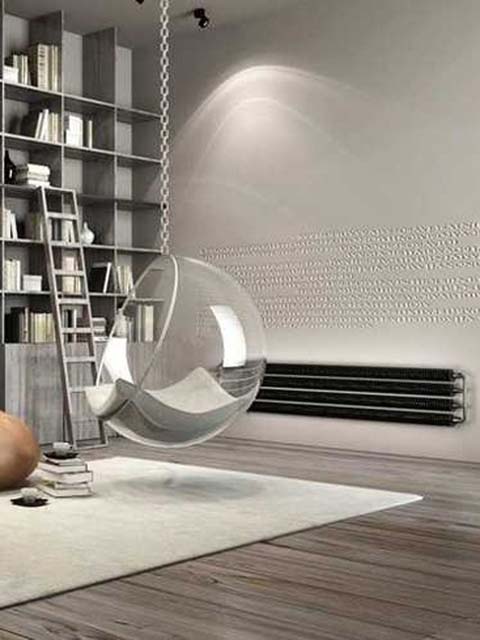
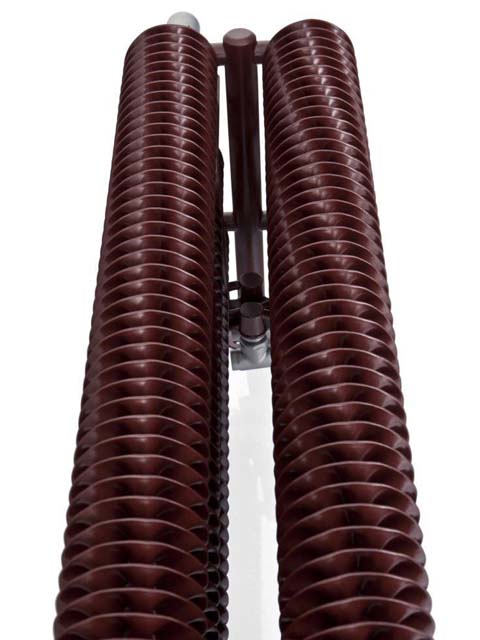
- early industrial style
- high output (ranging from 800 Watts to 2024 Watts)
- coloured radiator (208 colours)
- central heating radiator
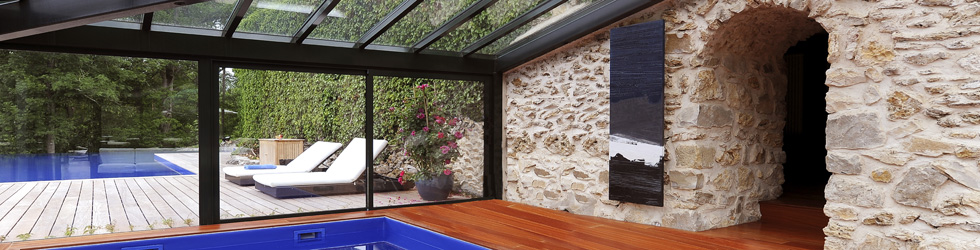
- available in wall mounted and floor standing versions
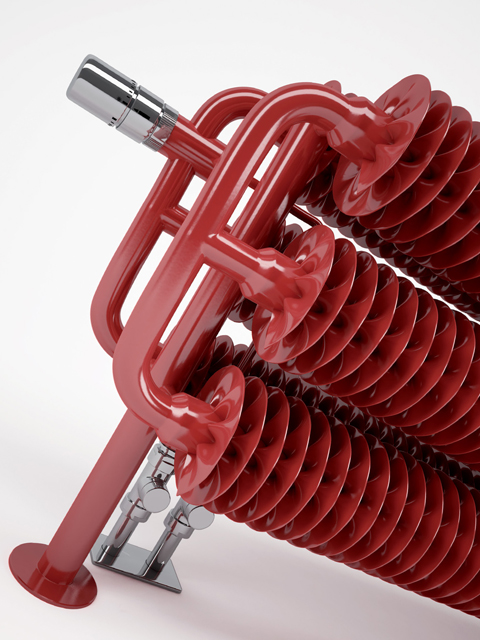
- accessory: chrome angled valve set
- all radiators are supplied with brackets (wall mounted version) or with legs (floor standing version)
- also available in a vertical version (see the Tornado vertical radiator)
MATERIAL(S) of this radiator: steel
WARRANTY: 5 years
DELIVERY SCHEDULE: approx. 12-15 weeks
TECHNICAL SPECIFICATIONS
Sizes of the Tornado horizontal radiator:
Wall mounted radiator:
Heights: 290mm high, 390mm high, 490mm high
Widths: 1540mm wide, 1740mm wide, 1940mm wide
Floor standing radiator:
Heights: 190mm high, 290mm high
Widths: 1540mm wide, 1740mm wide, 1940mm wide
Technical specifications:
Heat outputs: All heat outputs are shown at operating temperatures of 75/65/20 (Δt50°C). All radiators have been manufactured and tested in accordance with DIN EN 442.
Valves: These designer radiators are supplied with chrome angled valves.
Available connections:
A) 2 x 1/2" BSP bottom left - Centre-to-centre distance of connections: 50mm
B) 2 x 1/2" BSP bottom right - Centre-to-centre distance of connections: 50mm
Maximum operating pressure: 6 bar
Maximum water temperature: 95°C
Air Vent: All radiators are supplied with air vent valves.
Brackets: These radiators are supplied with brackets or with legs (standing version)
The wall anchors and screws included in the wall fixing kit of the radiators are not suitable for all wall types. If necessary, use wall anchors, dowels and screws suitable for the existing wall. Please note that plasterboard and weak walls need to be reinforced properly before installing a radiator.
All radiators must be installed and maintained by a certified professional who provides legal guarantee for the work done. Neither the manufacturer nor our company can be held liable for improper installation.
Finish: High quality, environmentally friendly, double electrostatic powder coating (burned Epoxy-Polyester coating for RAL colours) according to DIN 55900.
See the technical drawing(s) HERE and HERE
COLOURS
Please note the colours depicted on the chart below are for guidance only. The displayed colours are depending on your monitor settings and browser, so colours might not be shown perfectly. For this reason you may find differences between shade and hue on your screen and the radiator manufactured for you.
See the available colours HERE (in JPG format) and HERE (in PDF format)
SAFETY NOTICE
SAFETY NOTICE
In order to avoid accidents keep to the following safety regulations:
INSTALLATION AND MAINTENANCE OF RADIATORS
• All radiators must be installed and maintained by a certified professional, who provides legal guarantee for the work done.
• The radiators must be installed exclusively by certified fittings provided by the manufacturer.
• The radiator must be fixed soundly to the wall; as radiators are very heavy, torn out of the wall they can do extensive damage and seriously injure people nearby.
• Radiators can be fixed to walls that can carry their weight. Too thin and drywall walls must be reinforced by a professional before installation.
• Use the radiators strictly according to their purpose.
• Radiator holders are designed to safely carry the weight of the radiator; for this reason never put any extra weight on it, cling to it or lean, sit or stand on it even for a second.
• The radiator should not be placed behind or below furniture or other obstacle for the circulation of air.
• The radiator can be damaged by mechanical force caused by hard objects, so avoid this by all means.
• If you notice any damage, fracture, etc. on the radiator, switch it off immediately or turn off the heating. In the case of electric and dual fuel radiators disconnect the device from electricity.
HOT WATER RADIATORS
• Faulty or damaged radiators can leak hot water, which might cause serious burn injuries. In case you cannot wait until it cools down touch the hot radiator with utmost care.
ELECTRIC AND DUAL FUEL RADIATORS
• Electric and dual fuel radiators must be handled with the same level of caution and safety measures as any other electrical household appliances.
• Keep the electrical cord intact. Cords must not get in contact with the hot radiator.
• Electric/dual fuel radiators in rooms with running water can be installed only in areas determined by the IP Code provided with each electric/dual fuel radiator. The IP zones drawing can also be found with these models. (The IP Code, International Protection Marking, IEC standard 60529, sometimes interpreted as Ingress Protection Marking, classifies and rates the degree of protection provided against intrusion (body parts such as hands and fingers), dust, accidental contact, and water by mechanical casings and electrical enclosures.)
GLASS AND MIRROR RADIATORS
• Although tempered glass, used for glass and mirror radiators, is many times stronger than float glass and complies with the EU standards, it is apparently not unbreakable, consequently it needs caution (despite the fact that, when broken, it usually will break into small fragments, which are less likely to cause serious injury.).
• Do not let any mechanical force caused by hard and sharp objects damage the surface of the glass/mirror.
CHILD SAFETY
• Unless the heating temperature is set low make sure that children are supervised near the radiator. As the body surface of a child is bigger than that of an adult, and their skin is considerably thinner, a hot radiator or hot water leaking from a damaged radiator can do more serious burn injuries to them.
• Some radiator models have sharp edges, which can also cause injuries to children. For this reason, if you live with children, or have children around unsupervised, install only radiators with rounded edges.
• Keep children away from the cord of the electric/dual fuel radiator. The best solution is wires hidden in the wall or the use of cord cover.